October 30, 2026
Modern residences rely on dependable appliances to provide consistent warmth for everyday tasks and basic hygiene requirements. Among these essential interior devices, water heaters stand out as foundational components of domestic comfort. Residents overlook these vital systems until a sudden mechanical malfunction occurs. Recognizing how these fundamental heating units operate helps observant homeowners make informed decisions regarding basic maintenance and future appliance replacement strategies.
A foundational grasp of domestic heating appliances prevents unexpected disruptions to standard household routines and early morning schedules. Property owners who understand the internal mechanics of their heating systems can anticipate mechanical issues before a complete system failure happens. This practical knowledge empowers responsible individuals to select appropriate replacements, coordinate necessary repairs, and ensure efficient operation throughout the entire functional lifespan of the expensive equipment.
Exploring the Available Varieties
Homeowners exploring the current residential market will discover several distinct appliance designs tailored to specific interior needs. Traditional tank-style heating units represent the most common configuration found in modern domestic properties. These large cylindrical units store a massive volume of hot liquid, keeping the fluid heated and ready for immediate domestic use. The thick insulated reservoir ensures a steady, uninterrupted supply for daily bathing and evening cooking.
Tankless models offer a different, modern approach to domestic fluid warming needs. Instead of storing hot liquid in a bulky metal cylinder, these compact appliances heat fluid on demand. When an individual opens a faucet, the system activates internal sensors and warms the fluid as it passes through the copper heat exchanger. This streamlined design eliminates standby energy losses associated with older storage tanks.
Heat pump models present an innovative alternative for energy-conscious property owners seeking maximum operational efficiency. These clever devices pull ambient warmth from the surrounding basement air and transfer that harvested thermal energy to the liquid inside the holding tank. By moving existing thermal energy rather than generating it from scratch, these advanced systems operate with remarkable efficiency in warmer climates featuring elevated humidity levels.
Solar heating units utilize the boundless radiant power of the sun to provide domestic warmth without increasing utility usage. Roof-mounted collector panels capture solar radiation and transfer this harvested energy to a fluid loop, which then warms the household supply via an internal heat exchanger. Though the initial installation requires a significant financial investment, the long-term environmental benefits make this configuration attractive to ecologically mindful residents.
Evaluating the Power Sources
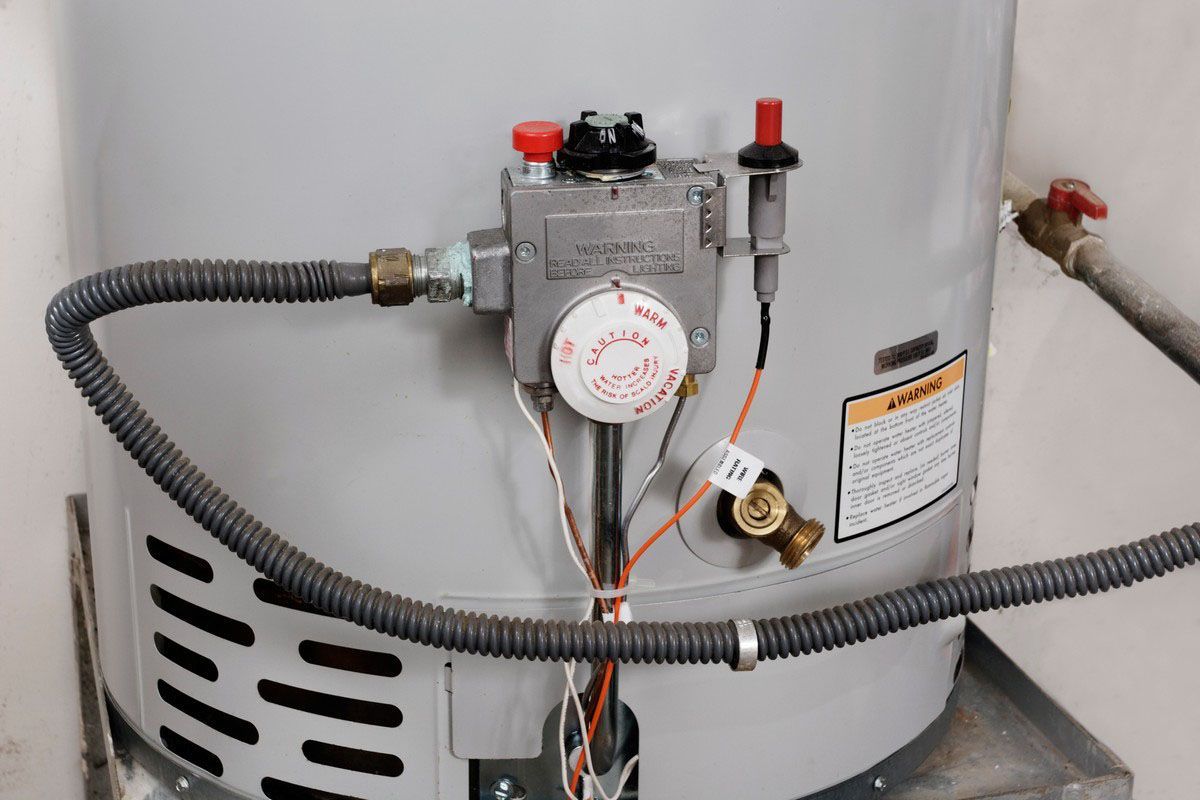
The core energy source powering water heaters impacts both ongoing operating costs and initial architectural installation requirements. Natural gas serves as a prevalent, popular option in many metropolitan regions due to its low baseline cost. Gas-powered units feature a robust metal burner situated at the bottom of the main tank, which ignites to warm the liquid contents stationed above the open flame.
Electric models provide a stellar alternative when natural gas utility lines remain unavailable in a given residential neighborhood. These reliable appliances utilize submerged metal heating elements to raise the temperature of the resting fluid. Electric units feature straightforward installations and lack the complex structural venting requirements associated with combustion-based systems, making them versatile, flexible choices for various architectural layouts and tight basement utility spaces.
Liquid propane offers another combustible fuel option for rural properties lacking access to municipal utility grids. Propane hardware operates in a similar manner to natural gas setups, utilizing a lower metal burner system to heat the centralized tank. Properties utilizing propane require a dedicated exterior storage cylinder on the premises, which local fuel suppliers refill on a scheduled basis to ensure uninterrupted hot liquid delivery.
Geothermal energy provides a specialized, efficient power source for specific luxury installations. By tapping into the stable underground temperatures of the earth, geothermal setups exchange heat to warm the domestic supply. These advanced property configurations demand extensive exterior landscaping modifications, yet they deliver substantial long-term operational savings and pose minimal environmental impact over the projected lifespan of the entire underground heating system.
Selecting the Appropriate Capacity
Determining the correct volumetric size of a heating unit prevents uncomfortable shortages during peak morning usage times. A system lacking sufficient fluid volume will leave shivering residents taking cold showers during busy morning routines. Property owners must evaluate the simultaneous peak demand created by multiple full bathrooms, heavy washing machines, and active dishwashers running at the exact same time during busy weekend cleaning sessions.
Oversized units create their own unique set of financial complications for unsuspecting homeowners. A massive storage tank requires excessive baseline energy to keep unused liquid piping hot throughout the entire day. This constant standby heat loss translates to elevated monthly utility bills. Finding the perfect mathematical balance ensures adequate supply without unnecessary baseline energy expenditure or inflated monthly operating costs for the entire household.
Residential capacity needs vary based on overall household size and daily hygiene habits. According to The Home Depot, tank water heaters range from 20 to 80 gallons in size. Small urban apartments might function quite well resting at the lower end of this volumetric spectrum, while massive suburban estates require the maximum available volume to meet the heavy bathing demands of large extended families.
Recovery rate represents another crucial mechanical metric when sizing a new appliance for a residential property. This specific measurement indicates the exact amount of fluid a given system can heat within a set timeframe. A robust unit boasting a high recovery rate can replenish its depleted supply in short order, compensating for a smaller tank size during periods of heavy household liquid consumption.
Maintaining the Essential Equipment
Routine scheduled maintenance extends the functional working life of modern water heaters and preserves their baseline operational efficiency. Harmful mineral deposits accumulate at the bottom of storage tanks over long periods. This thick sediment buildup forces the lower burner or electric heating element to work harder, decreasing overall efficiency and causing premature mechanical failure of the entire expensive plumbing heating system.
Flushing the holding tank on a regular annual schedule removes these harmful internal mineral accumulations. Property owners attach a standard garden hose to the lower metal drain valve and empty the tank contents until the outgoing liquid runs clear. This simple preventative maintenance task prevents the lower heating elements from becoming permanently encased in calcium scale, ensuring optimal heat transfer and maximum equipment longevity.
The internal sacrificial anode rod serves a vital protective function within the metal holding tank. This long metal cylinder attracts corrosive chemical elements present in the municipal supply, rusting away so the critical steel walls of the tank remain pristine. Homeowners must physically inspect this rod and replace it before the soft metal deteriorates and exposes the vulnerable steel tank structure to destructive water damage.
Temperature and pressure relief valves require periodic physical testing to ensure safe daily operation. These crucial safety devices open without intervention if internal tank pressure exceeds safe mechanical thresholds, preventing catastrophic tank ruptures. Activating the small exterior valve lever verifies proper spring function and protects the residential property from devastating interior liquid damage and dangerous pressure explosions in the basement or garage utility space.
Understanding the complex internal mechanics of residential water heaters empowers homeowners to make strategic, informed decisions regarding their property upkeep. Selecting the proper combustible or electric fuel source, matching the exact tank capacity to household demand, and choosing an appropriate system design all contribute to a comfortable interior living environment. Informed, knowledgeable residents avoid the frustration of sudden appliance failures and freezing cold showers.
Proactive maintenance remains the undeniable cornerstone of long-lasting domestic plumbing infrastructure. Regular attention to sediment flushing and sacrificial anode rod inspections preserves the substantial initial financial investment and keeps monthly utility bills manageable. By dedicating a small amount of scheduled effort to these essential water heaters, property owners guarantee a steady, reliable supply of comfort and warmth for their entire household for many years to come. At C-N-O Comfort Zone Heating and Cooling, we take the hassle out of maintaining your home systems. Contact us today to ensure your water heaters operate with optimal efficiency all year long.