June 15, 2026
The field of residential property management moves forward at an impressive pace, driven by a continuous demand for environmental sustainability, physical longevity, and precise climate control. In this modern landscape, maintaining a pristine indoor environment requires looking far beyond standard thermostat adjustments. For households dealing with persistent seasonal allergies, the air moving through a home can become a serious health concern if it is not filtered continuously.
Two of the most challenging airborne irritants that modern properties face are pet dander and natural pollen grains. Managing these microscopic particles requires advanced air filtration systems rather than superficial cleaning routines. By working alongside professional HVAC contractors, property owners can transform their standard heating and cooling machinery into an engineered defense network that purifies indoor spaces, improves respiratory health, and maintains long-term comfort across every season.
Understanding Pet Dander and Pollen
Pet dander and organic pollen represent two of the most widespread environmental triggers for respiratory irritation. Pet dander consists of microscopic flecks of dead skin shed by animals with fur or feathers, including domestic cats, dogs, birds, and rodents. Because these particles are incredibly lightweight and tiny, they can remain suspended in stagnant air currents for hours, increasing the probability of deep inhalation.
Pollen grains are fine, powdery microspores released by seed plants during seasonal reproductive cycles. Once these outdoor particles infiltrate a residential structure, they settle deep into carpets, furniture upholstery, and bedroom textiles, only to be thrown back into circulation whenever a room is disturbed by daily physical activity.
Analysing POTENT Allergenic Protein Interactions
The underlying biological impact of pet dander and pollen depends on specialized proteins embedded within their structures. When a sensitive individual inhales these micro-particles, their immune system recognizes the foreign proteins as immediate threats, releasing histamines that cause sneezing, nasal congestion, and severe eye irritation.
For households managing cats or dogs indoors, these proteins remain chemically active on surfaces for months after the animal has left the room. This long-lasting potency makes simple vacuuming insufficient for true allergy management, necessitating continuous air purification to drop particle levels beneath active exposure thresholds.
Evaluating Shifting Weather Patterns and Seasonal Cycles
While pet dander remains a persistent, year-round challenge for multi-pet households, pollen collection peaks during distinct seasonal intervals. Tree pollen dominates early spring weather, grass microspores create issues across mid-summer, and dense weed pollens settle during late autumn.
The duration and intensity of these natural cycles are shifting significantly due to changing regional microclimates and extended warm seasons, resulting in record-breaking outdoor particle counts. Because open doors and windows invite these irritants directly into living spaces, managing the indoor environment becomes an absolute necessity to shield family members from severe seasonal exposure spikes.
Tracking Long-Term Respiratory Health Impacts
Sustained indoor exposure to dense allergen loads can compromise long-term physical well-being, leading to serious medical issues such as chronic sinusitis, inner ear congestion, and asthma flare-ups. This physical duress directly devalues daily quality of life, causing sleep disruptions, chronic daytime fatigue, and lower productivity.
Protecting high-risk family members, such as growing children or the elderly, requires a high-performance thermal and ventilation system to keep indoor air clean. The widespread reliance on these comfort systems across the country underscores their importance in managing indoor air quality. According to data published by the Department of Energy, 88% of residential properties in America rely on air conditioning systems to maintain comfortable indoor temperatures.
This massive nationwide dependency highlights why maximizing your equipment's filtration capacity is vital for creating a reliable barrier against pervasive airborne irritants.
Deploying HVAC Systems for Effective Allergy Management
A foundational mechanism utilized to control indoor particle levels is the constant, regulated movement of air through a centralized duct network. When your comfort system runs continuously, it draws stale indoor air through specialized return grilles, moving the floating dander and pollen away from living zones before they can settle into porous fabrics.
Proper volumetric air-exchange cycles replace stagnant indoor atmospheres with clean, conditioned air multiple times per hour, preventing the concentration build-ups that trigger immediate respiratory responses.
Upgrading Specialized Media Filtration Systems
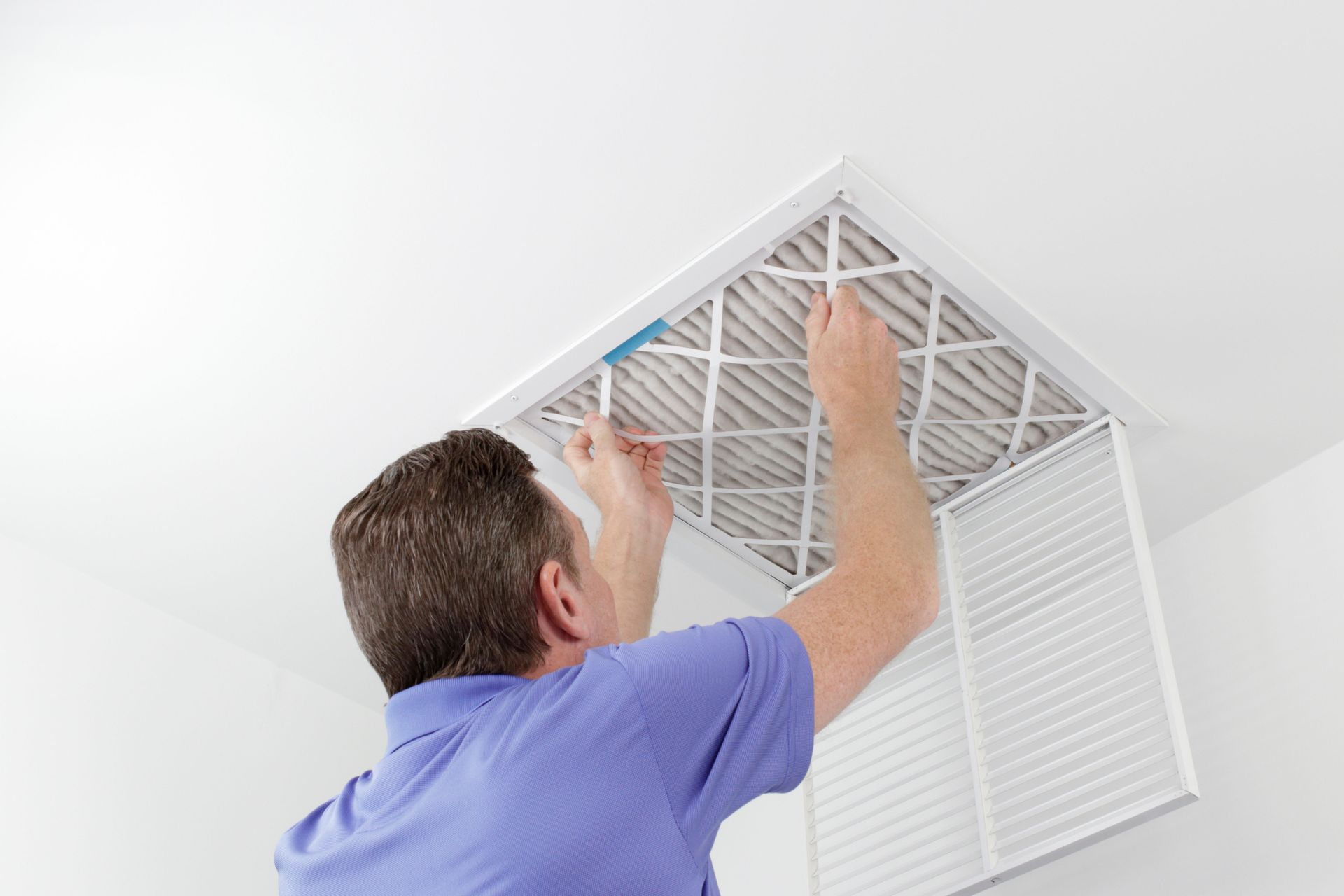
The core defensive component of any central ventilation setup is its primary media filter. Basic, low-cost fiberglass filters are only designed to protect the internal blower motor from large dust bunnies, completely failing to capture microscopic dander or powdery plant pollen.
To clean the air effectively, homeowners must collaborate with certified HVAC contractors to integrate high-efficiency pleated filters or custom HEPA filtration modules. These premium media setups utilize dense, electrostatically charged fibers to intercept airborne irritants down to a microscopic level, completely cleaning the airstream.
Balancing Indoor Humidity Management
Controlling moisture vapor within precise boundaries is a critical aspect of managing household allergy triggers. Modern air conditioning coils naturally pull excess water vapor out of the atmosphere during standard cooling cycles, maintaining indoor relative humidity.
Keeping humidity balanced eliminates the damp conditions that allow dust mites to multiply and mold spores to bloom along exterior wall cavities. During dry winter months, integrating a whole-home bypass humidifier adds clean moisture back into the airstream, preventing dry nasal passages from becoming sensitive to incoming dander.
Implementing Ultraviolet Purification Modules
To neutralize biological proteins that slip through standard mesh fibers, specialized technicians can install high-output ultraviolet (UV-C) lamps directly inside the air handler enclosure.
These precise air-purification devices emit specialized light frequencies that break down the DNA of mold microspores, bacteria, and viral cells as they move across the evaporator coil. This continuous sterilization layer ensures the internal machinery remains clean and prevents the ventilation network from accidentally spreading biological pollutants across the home.
Executing Scheduled Technical System Maintenance
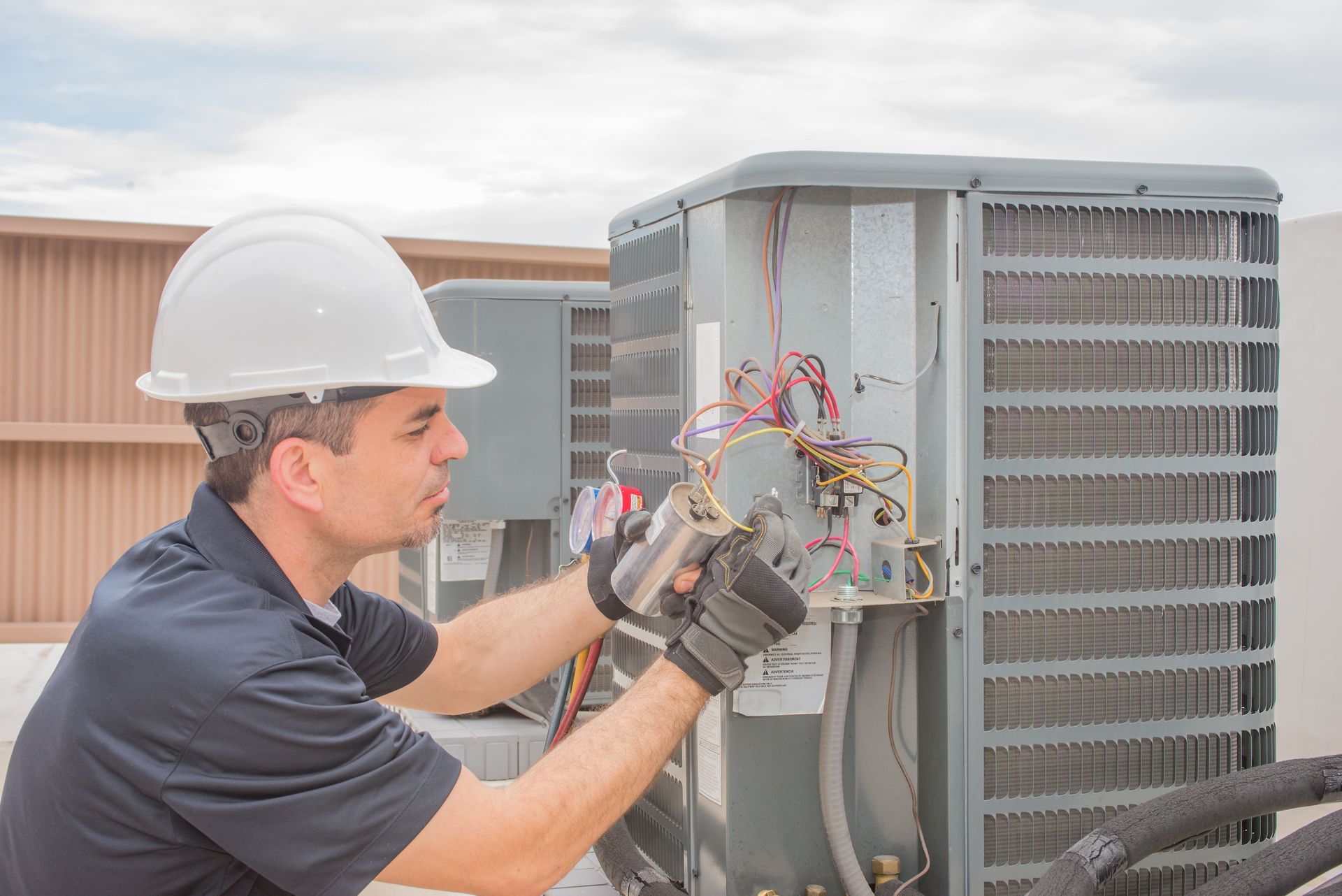
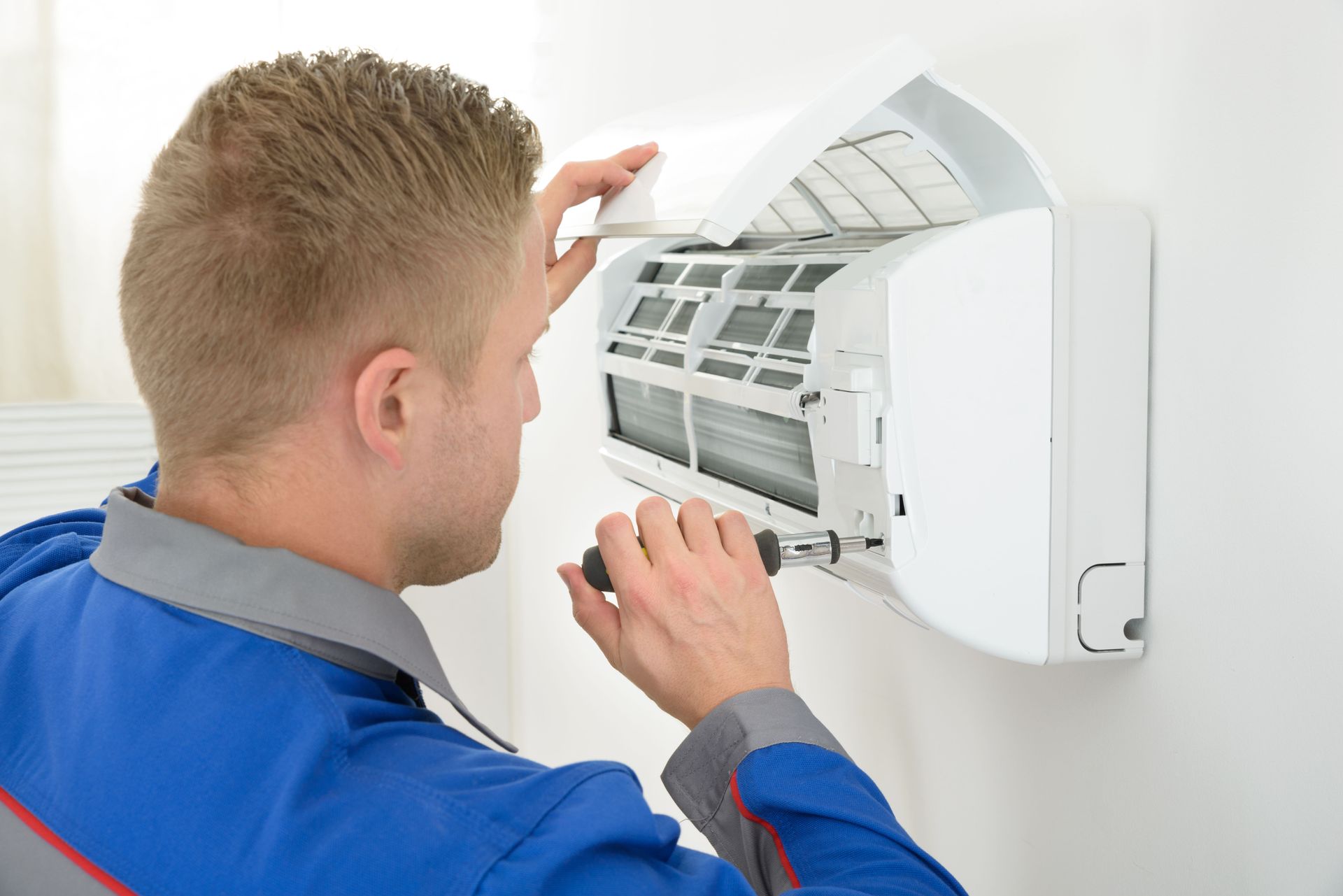
Sustaining the air-cleaning performance of a high-efficiency central ventilation system requires a disciplined strategy of scheduled technical maintenance. Certified HVAC contractors evaluate system static pressures, inspect motor assemblies, and wash internal condensate lines to keep everything running efficiently.
Allowing dirt, pet hair, and environmental grime to accumulate inside the air handler cuts down on overall airflow, forces the compressor to run longer, and can cause the system to drop collected pollutants back into the home's primary living zones.
Cleaning and Sealing Residential Duct Networks
Over several years of operation, the internal surfaces of supply and return ductworks can accumulate a thick layer of fine dust and pet dander. If the sheet metal or flexible trunk lines develop minor cracks or unsealed joints, the system can draw dusty air directly from crawlspaces or attic floors into your main breathing zones.
Scheduling professional duct cleaning and aerodynamic duct sealing from expert HVAC contractors removes these hidden dirt reservoirs completely, ensuring that every cubic foot of air delivered to your family remains pure and properly pressurized.
Transforming a residential climate network from a simple temperature blower into a high-performance air purification shield requires a combination of diagnostic expertise, airflow calibration, and high-quality material sourcing.
From checking system static pressures to programming intelligent whole-home dehumidifiers, every stage of system management requires absolute field precision to maximize air quality and protect your family's health. Entrusting your indoor comfort systems to credentialed HVAC contractors ensures your equipment runs perfectly across every season.
C-N-O Comfort Zone Heating and Cooling provides the advanced engineering insight, certified technicians, and high-end equipment necessary to maximize your home's air quality. Our dedicated organization specializes in delivering comprehensive indoor air quality solutions, including precision air conditioning installations, high-performance heating system alignments, and deep-cleaning filtration additions. We work closely with homeowners to evaluate individual allergen challenges, delivering customized upgrades that keep indoor air fresh and free from airborne irritants.
If you have noticed rising seasonal allergy symptoms, persistent indoor dust accumulations, or irregular humidity shifts along your main living zones, contact C-N-O Comfort Zone Heating and Cooling today to consult with our air quality experts and secure an advanced environmental solution from the premier HVAC contractors in the region.