June 16, 2026
Humidity, an often-overlooked part of climate control, has a major effect on comfort, indoor air quality, and overall health. High humidity levels can make summer air feel heavy and uncomfortable, creating an environment that feels warmer than the thermostat reading suggests. When moisture builds up indoors, it can also contribute to odors, condensation, mold growth, and damage to building materials. Understanding how humidity works is an important step toward keeping homes and workplaces healthier during sticky summer months.
Managing humidity requires a mix of awareness, routine maintenance, and the right equipment. Some solutions are simple, such as improving airflow or reducing indoor moisture sources, while others may require professional support. Reliable HVAC services can help property owners identify humidity problems, improve system performance, and create a more balanced indoor environment. According to the U.S. Department of Energy, about two-thirds of American homes have central air conditioning systems, making proper cooling system maintenance especially important for controlling indoor moisture and improving comfort during humid weather. With the right approach, even muggy indoor spaces can feel cooler, cleaner, and more comfortable.
Humidity Basics
Humidity refers to the amount of water vapor in the air. Absolute humidity measures the actual amount of moisture in a volume of air, while relative humidity measures how close the air is to being fully saturated. Relative humidity is the number most people see on weather reports, and it plays a major role in how comfortable indoor spaces feel. When relative humidity is too high, the air can feel sticky, heavy, and difficult to cool.
Warm air holds more moisture than cool air, which is why summer humidity can feel so intense. As outdoor temperatures rise, moisture levels often increase as well. This can place extra strain on cooling equipment and make indoor spaces feel uncomfortable even when the air conditioner is running. Understanding this relationship helps homeowners and business owners make smarter decisions about ventilation, temperature settings, and moisture control.
Comfort And Indoor Air Quality
Humidity affects the way the body regulates temperature. When the air contains too much moisture, sweat does not evaporate as easily, making it harder for the body to cool itself. This is why humid air often feels warmer than dry air at the same temperature. In homes and offices, excess moisture can lead to discomfort, fatigue, irritability, and poor sleep quality.
Indoor air quality can also suffer when humidity is not controlled. Dust mites, mold, and mildew thrive in damp conditions, which can aggravate allergies and respiratory issues. Musty odors, condensation on windows, and damp surfaces are often signs that moisture levels are too high. Proper HVAC services can help address these concerns by improving airflow, filtration, and humidity balance throughout the property.
Health Concerns Related To High Humidity
High humidity can create conditions that affect respiratory health. Mold spores and allergens spread more easily in damp environments, which may trigger coughing, sneezing, congestion, or asthma symptoms. People with existing respiratory conditions, young children, and older adults may be especially sensitive to poor indoor air conditions. Keeping humidity within a comfortable range can reduce these risks and support a healthier space.
Humidity can also affect skin comfort and general well-being. Excess moisture may cause skin to feel clammy, while improper humidity control can contribute to irritation. In work environments, uncomfortable humidity may reduce focus and productivity. Managing moisture is not just about comfort; it is also a practical way to support daily health and create a more pleasant indoor setting.
Common Signs Of Excess Moisture
Recognizing humidity problems early can help prevent more serious damage. Common warning signs include foggy windows, peeling paint, swollen wood, musty smells, and damp areas near walls or ceilings. Bathrooms, basements, kitchens, laundry rooms, and poorly ventilated areas are often the first places where moisture issues appear. These signs should not be ignored, especially if they return after cleaning or drying.
Another sign of excess humidity is an air conditioner that runs frequently without making the space feel comfortable. The system may be cooling the air but not removing enough moisture. This can happen when equipment is poorly sized, poorly maintained, or not operating efficiently. Professional HVAC services can help determine whether the issue comes from equipment performance, ductwork, ventilation, or another moisture source.
Technology For Humidity Control
Dehumidifiers are one of the most effective tools for reducing indoor moisture. Portable models can help in specific rooms, while whole-home systems can manage humidity throughout a property. Choosing the right dehumidifier depends on the size of the space, the severity of the humidity problem, drainage options, and maintenance needs. Regular cleaning and filter replacement help keep these systems working properly.
Smart thermostats and humidity sensors can also make moisture control easier. These devices allow users to monitor indoor conditions and adjust settings before humidity becomes uncomfortable. Some systems can automatically coordinate with cooling equipment or dehumidifiers to maintain a more consistent environment. When paired with dependable HVAC services, smart technology can improve comfort while helping reduce unnecessary energy use.
HVAC System Performance
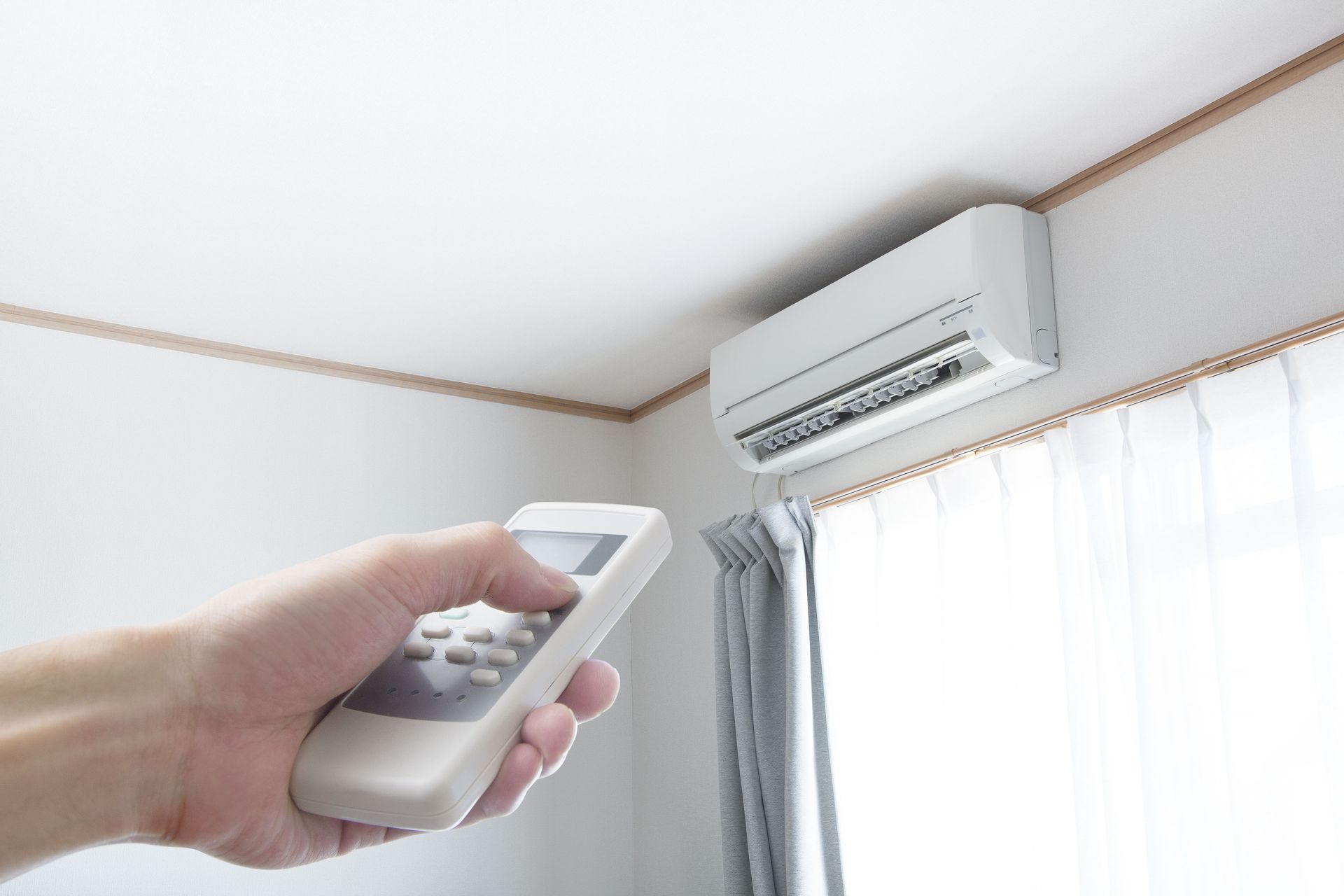
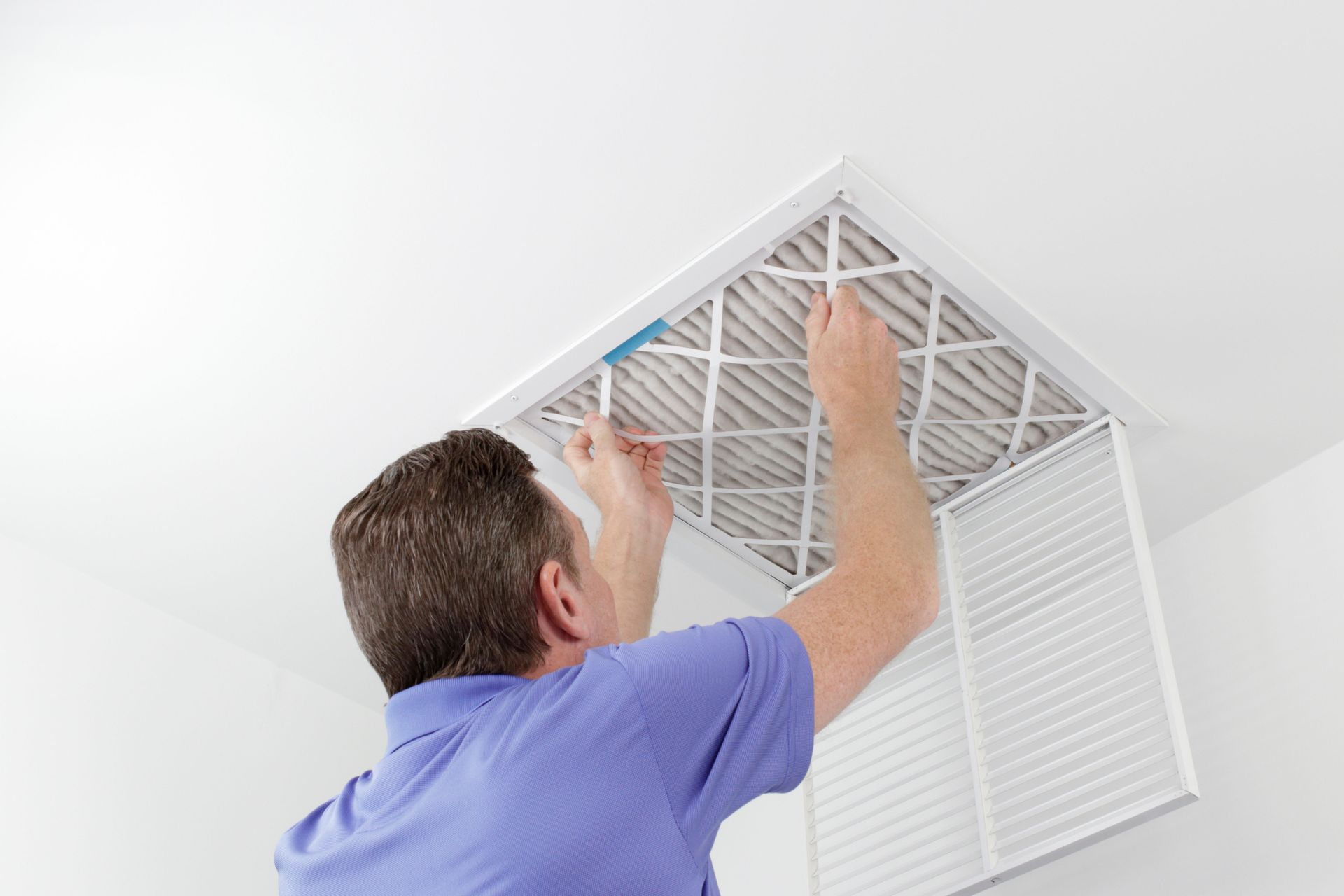
Air conditioning systems naturally remove some moisture as they cool the air, but they must be maintained properly to do this well. Dirty filters, clogged drain lines, low refrigerant, or restricted airflow can reduce performance and leave a space feeling humid. Setting the fan to “auto” instead of “on” may also help because it allows moisture collected on the coil to drain instead of being blown back into the air.
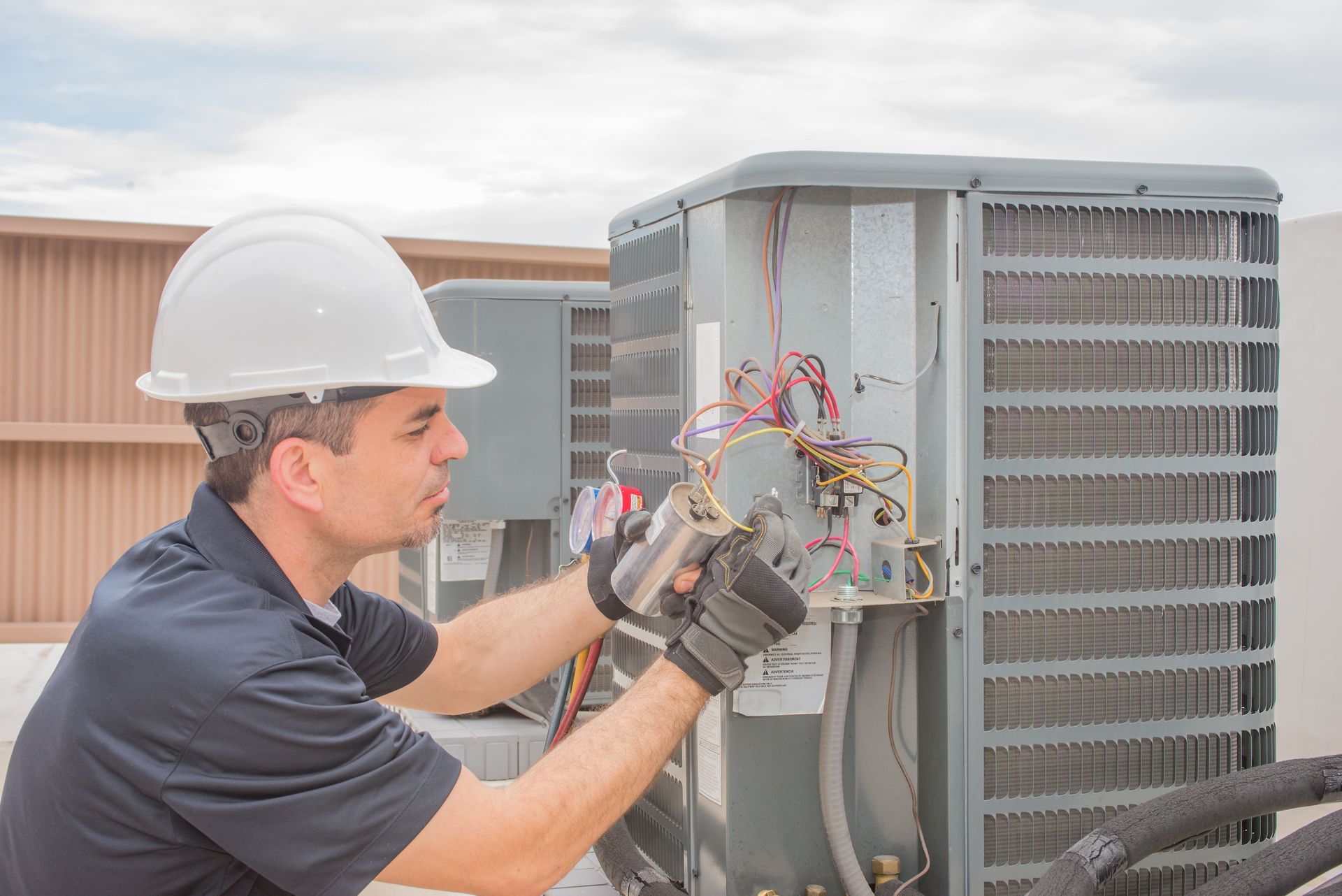
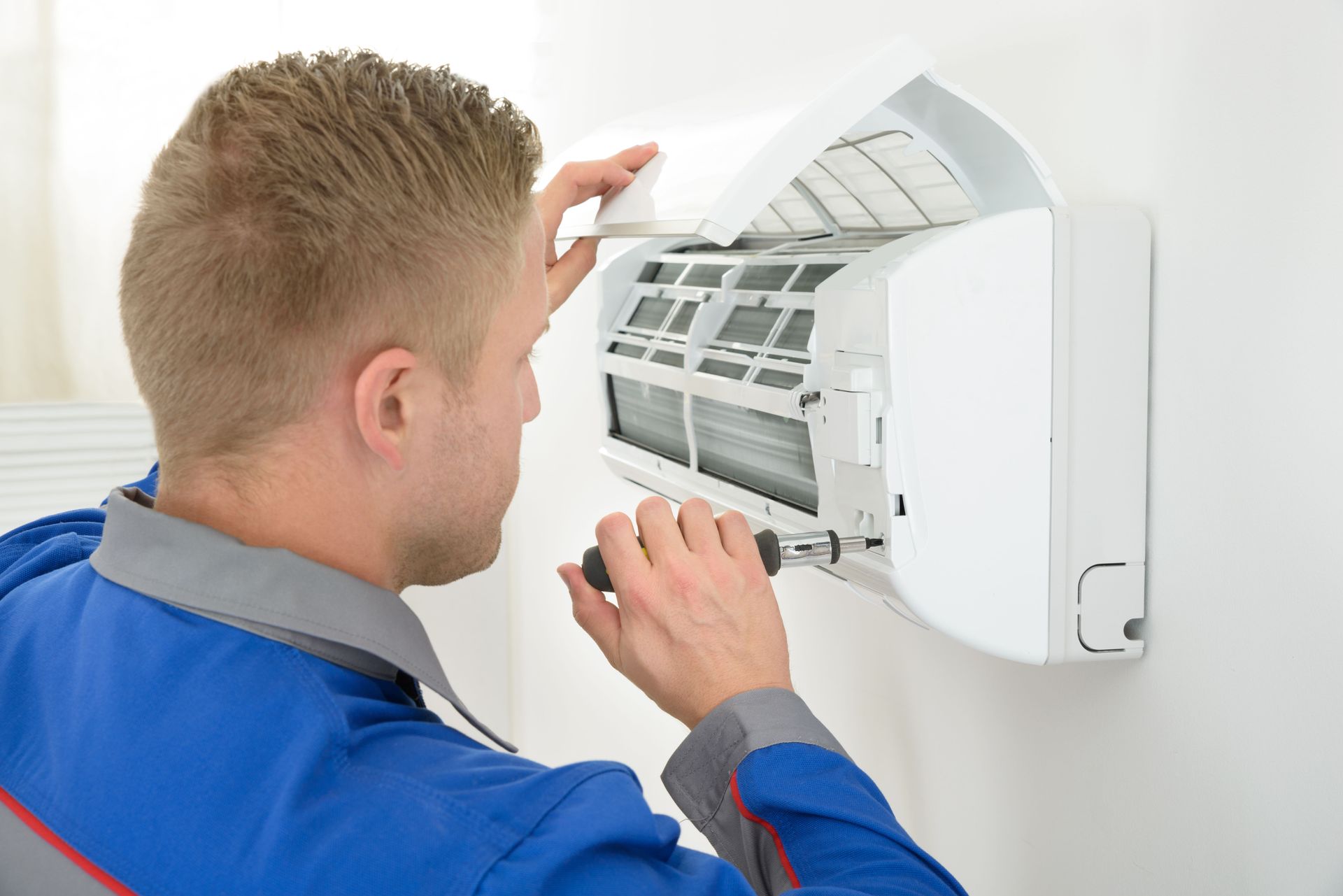
Routine HVAC services are important for keeping cooling systems efficient during humid seasons. Technicians can inspect coils, filters, ducts, drains, and system settings to identify issues that affect comfort. They can also recommend upgrades when an existing system is no longer meeting the property’s needs. A well-maintained system can improve moisture control, reduce energy waste, and create a more stable indoor climate.
Ventilation And Airflow Improvements
Ventilation is another key part of humidity management. Exhaust fans in bathrooms, kitchens, and laundry areas help remove moisture before it spreads through the building. Opening windows may help at certain times, but it can make humidity worse when outdoor air is damp. Controlled ventilation is often more effective because it brings in fresh air without creating major comfort problems.
Energy recovery ventilators and heat recovery ventilators can improve airflow while limiting energy loss. These systems exchange stale indoor air with fresh outdoor air in a more controlled way. Proper duct design, clean vents, and balanced airflow also support humidity control. In larger homes, offices, or public facilities, professional HVAC services may be needed to evaluate ventilation and recommend the right improvements.
Simple Home Adjustments
Small daily habits can make a noticeable difference in indoor humidity. Using lids while cooking, running exhaust fans during showers, drying clothes outdoors when possible, and fixing leaks quickly can all reduce moisture buildup. Keeping interior doors open can also improve airflow and prevent damp air from collecting in closed rooms. These simple steps are affordable and easy to maintain.
Natural moisture absorbers, such as activated charcoal, baking soda, or silica gel, may help in closets, cabinets, and other small spaces. Indoor plants can also influence moisture levels, though they should be used thoughtfully because overwatering can add humidity. These methods work best as part of a larger strategy that includes maintenance, ventilation, and proper cooling equipment.
Controlling humidity is more than a seasonal concern. It is an ongoing part of maintaining a safe, efficient, and pleasant building. By combining smart habits, proper ventilation, moisture monitoring, and professional HVAC services when needed, homeowners and business owners can manage humidity more effectively. A proactive approach helps transform sticky indoor air into a cleaner, more comfortable environment year-round. Contact C-N-O Comfort Zone Heating and Cooling today and learn more about our HVAC services.