November 3, 2026
Air conditioning provides essential relief during hot weather, but keeping a home comfortable can significantly increase electricity consumption. As temperatures rise, cooling systems often run longer, placing additional pressure on household energy budgets. Professional AC services help homeowners manage these expenses by improving system efficiency, addressing mechanical problems, and supporting consistent cooling performance. Understanding how maintenance and equipment upgrades affect energy use can help households stay comfortable without unnecessary spending.
Understanding the Energy Demands of Air Conditioning
Air conditioning represents a substantial portion of electricity consumption across the United States. According to Energy.gov, approximately 6% of the electricity generated nationwide is consumed by air conditioning systems. This figure highlights the considerable energy required to cool homes and buildings, particularly during periods of sustained summer heat.
Although individual households use different amounts of electricity, cooling can account for a significant share of seasonal utility expenses. Factors such as outdoor temperatures, home insulation, thermostat settings, and equipment condition influence how much energy an air conditioner consumes.
An inefficient cooling system may operate longer than necessary to maintain the desired indoor temperature. Dirty components, restricted airflow, and mechanical problems can increase operating costs without improving comfort.
Understanding these factors allows homeowners to make informed decisions about maintenance, repairs, and potential equipment upgrades. Small improvements in system performance can contribute to meaningful energy savings over time.
Improving Efficiency Through Routine Maintenance
Regular maintenance helps air conditioning equipment operate efficiently throughout the cooling season. As systems age and accumulate dust, their performance can gradually decline. Professional AC services address these concerns before they develop into more expensive problems.
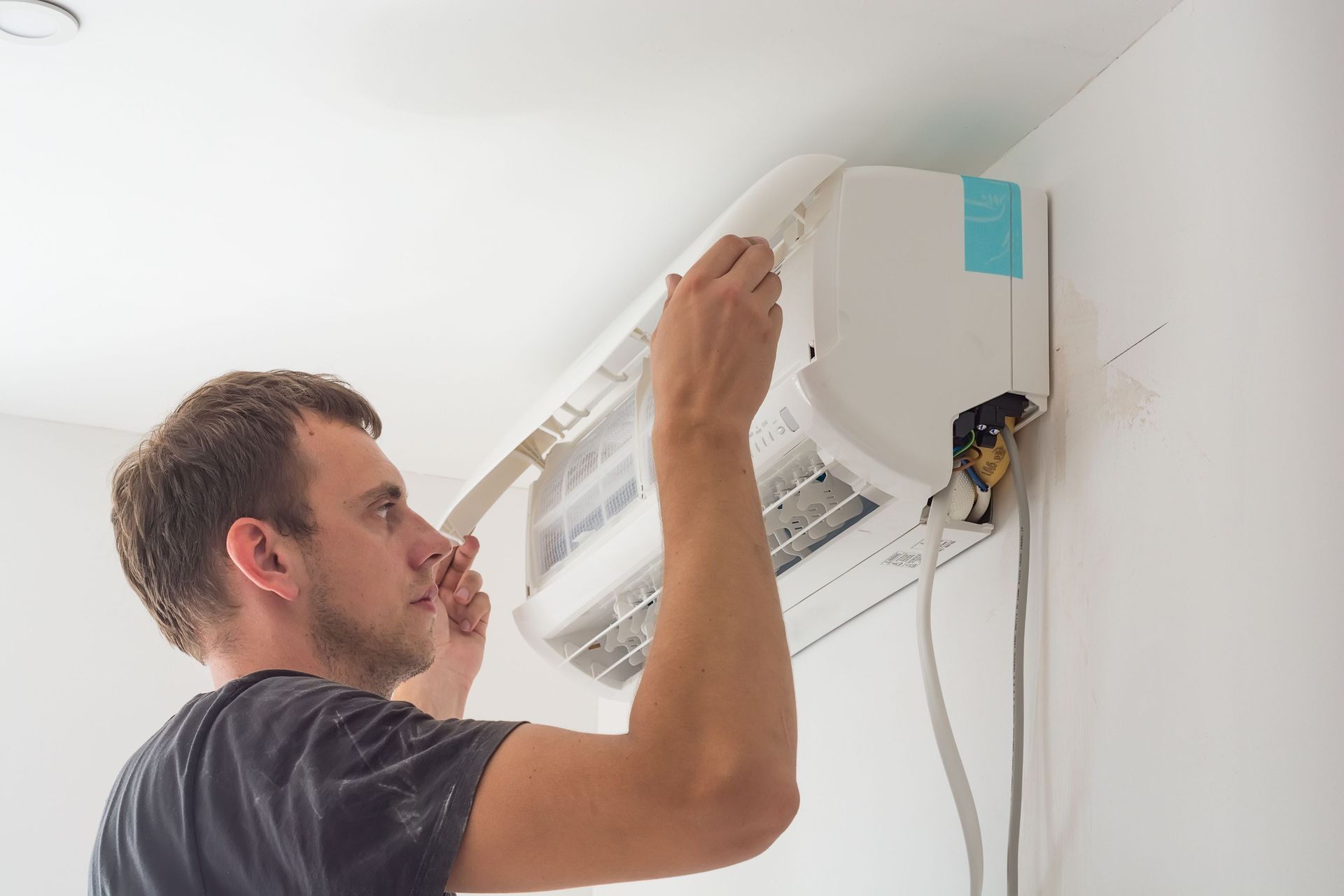
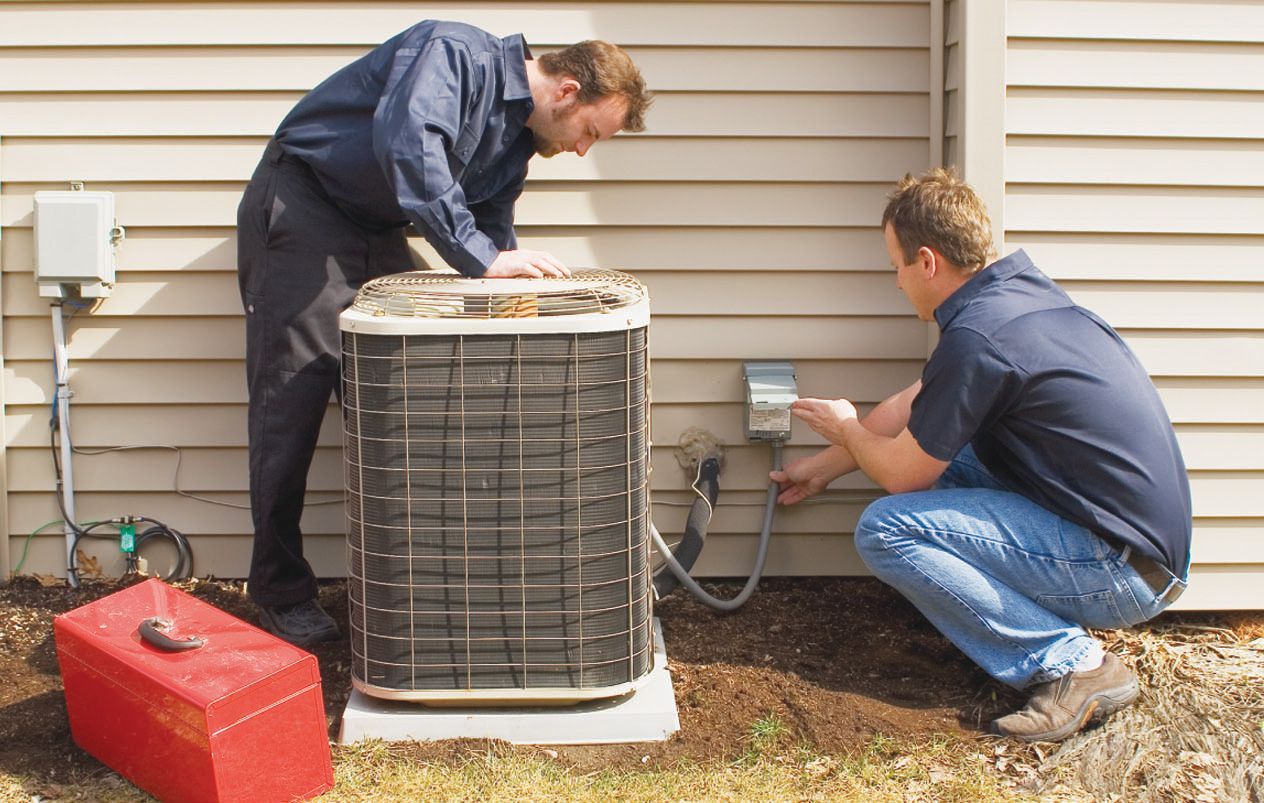
During routine maintenance, HVAC technicians inspect essential components, evaluate system performance, and identify conditions that may interfere with efficient operation. This process helps ensure that the equipment can deliver reliable cooling without unnecessary strain.
Common maintenance procedures include:
- Inspecting electrical connections for signs of wear or damage
- Cleaning condenser coils to support effective heat transfer
- Checking refrigerant levels and identifying potential leaks
- Examining moving components for excessive friction or deterioration
- Evaluating airflow and overall cooling performance
Each procedure supports efficient operation in a different way. For example, clean condenser coils allow the system to release heat more effectively, while properly functioning electrical components help prevent operating problems.
Scheduling maintenance before the cooling season gives homeowners an opportunity to address potential issues before temperatures become extreme.
Reducing Energy Waste Through Proper Airflow
Airflow plays an important role in determining how efficiently an air conditioner cools a home. When air cannot circulate properly, the system may struggle to maintain consistent indoor temperatures.
Dirty air filters are among the most common causes of restricted airflow. As dust, pollen, and other airborne particles accumulate, they can reduce the amount of air passing through the system.
This restriction may increase operating time, contribute to uneven temperatures, and place additional strain on mechanical components.
Homeowners can support healthy airflow by replacing or cleaning filters according to manufacturer recommendations. Filter replacement frequency depends on household conditions, equipment requirements, and indoor air quality.
Furniture and other objects should also remain clear of supply and return vents. Blocked vents can interfere with air distribution and reduce comfort in affected rooms.
Professional technicians can investigate persistent airflow problems that routine filter changes do not resolve. Identifying the underlying cause helps prevent unnecessary equipment wear while supporting more consistent cooling.
Preventing Excessive Consumption Through Timely Repairs
Air conditioning systems rarely develop major problems without warning. Many performance issues begin with small changes in operation that become more noticeable over time.
Unusual noises, insufficient cooling, inconsistent temperatures, and frequent cycling may indicate that equipment requires professional attention.
Ignoring these symptoms can allow problems to worsen. A struggling component may force the cooling system to operate longer or work harder to maintain the desired temperature.
Professional AC services can help identify and correct mechanical problems before they lead to more extensive damage.
For example, refrigerant leaks can reduce cooling capacity, while failing blower motors may interfere with airflow. Electrical problems can also affect how reliably equipment starts, stops, and operates.
Prompt repairs help restore appropriate system function and may reduce unnecessary electricity consumption. However, actual energy savings depend on the type and severity of the problem.
Homeowners should avoid attempting complex electrical or refrigerant repairs themselves. These tasks require specialized training, appropriate equipment, and safe handling procedures.
Maximizing Savings Through Thermostat Management
Thermostat settings directly influence how frequently air conditioning equipment operates. Lower temperature settings generally require longer cooling cycles, particularly when outdoor temperatures are high.
Maintaining a reasonable indoor temperature can help households balance comfort with electricity consumption. Adjusting the thermostat when the home is unoccupied may also reduce unnecessary cooling. Programmable and smart thermostats offer additional control over temperature schedules. These devices allow homeowners to establish settings based on daily routines rather than maintaining the same temperature around the clock.
Professional thermostat services can help ensure that temperature controls communicate properly with heating and cooling equipment. Correct installation and configuration are important because inaccurate readings or improper settings can affect system performance.
Homeowners should also avoid setting the thermostat substantially lower than necessary in an attempt to cool the home faster. Most conventional air conditioners do not cool more quickly simply because the thermostat is set to an unusually low temperature.
Thoughtful temperature management, combined with regular equipment maintenance, can help reduce energy waste while maintaining a comfortable living environment.
Evaluating Energy Savings Through Equipment Upgrades
Even well-maintained air conditioners eventually reach a point when replacement becomes a practical consideration. Older systems may consume more electricity than newer equipment designed to meet updated efficiency standards.
Modern air conditioners are evaluated using efficiency ratings that help consumers compare their cooling performance relative to electricity consumption. Higher efficiency ratings generally indicate that equipment can deliver more cooling while using less electricity under standardized testing conditions.
Professional AC services can help homeowners determine whether continued repairs or a system replacement offers better long-term value.
Before recommending new equipment, technicians should consider several factors, including:
- The age and overall condition of the existing system
- The frequency and cost of recent repairs
- Current cooling performance and household comfort
- The home's size, insulation, and cooling requirements
- The potential efficiency improvements offered by replacement equipment
Proper equipment sizing is especially important. An oversized air conditioner may cycle frequently and struggle with humidity control, while an undersized system may operate continuously without maintaining comfortable temperatures.
Professional installation helps ensure that new equipment matches the home's cooling requirements and operates according to manufacturer specifications.
Although efficient equipment may lower electricity consumption, actual savings depend on household usage patterns, installation quality, and local energy rates.
Maintaining Long-Term Comfort Through Professional Care
Reducing cooling expenses requires more than adjusting the thermostat or replacing aging equipment. Consistent maintenance, timely repairs, and appropriate system operation all contribute to efficient air conditioning performance.
Homeowners who pay attention to changing utility bills, unusual equipment behavior, and uneven indoor temperatures can recognize potential problems before they become more expensive.
Professional inspections also provide opportunities to evaluate equipment condition and identify improvements that support reliable operation. Combining these inspections with responsible thermostat management and routine filter replacement creates a practical approach to controlling cooling expenses.
The nationwide electricity demands associated with air conditioning demonstrate why efficiency deserves attention. While no single improvement can eliminate cooling expenses, maintaining equipment properly can help households avoid unnecessary energy consumption and protect their investment.
For homeowners seeking dependable cooling performance and greater control over energy costs, contact C-N-O Comfort Zone Heating & Cooling to schedule professional air conditioning maintenance, repairs, or installation services.