November 12, 2026
HVAC systems play a critical role in maintaining the comfort and energy efficiency of our homes. These systems ensure that our indoor environments remain at favorable temperatures and contribute significantly to air quality. Understanding the age of your HVAC system is crucial, as it impacts functionality, efficiency, and financial implications over the long term. Knowing when your system was installed informs timely maintenance and helps in planning for future replacements. This article delves into why this knowledge is vital and provides insights into how to manage your HVAC system effectively.
Understanding the Basics of HVAC Systems
Understanding HVAC Components
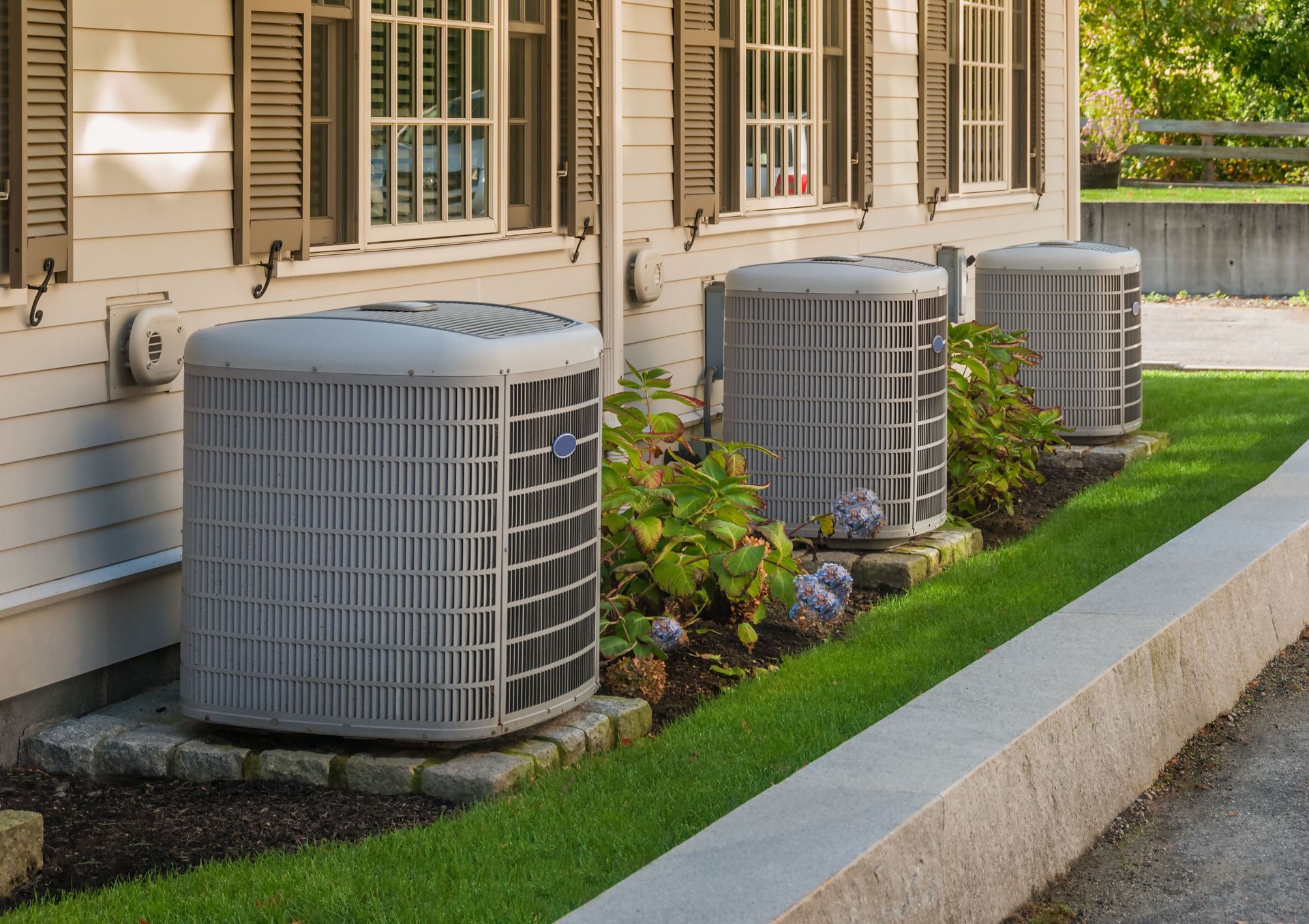
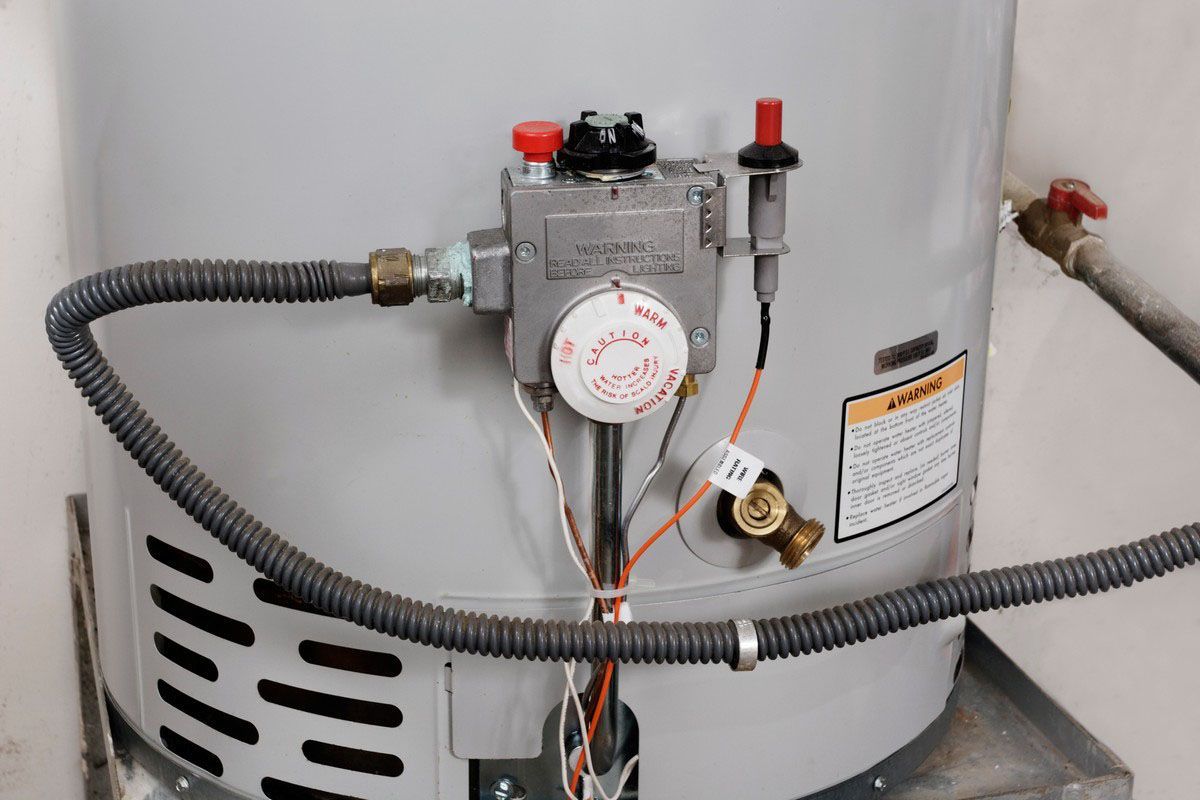
HVAC systems consist of various components such as furnaces, air conditioners, heat pumps, ductwork, and thermostats. Each component plays a unique role in ensuring the system performs efficiently and delivers optimal comfort. Furnaces are responsible for heating, while air conditioners are responsible for cooling. Understanding these components helps in identifying potential issues and necessary maintenance. Regular checks and updates on each part can lead to an efficient and longer-lasting system.
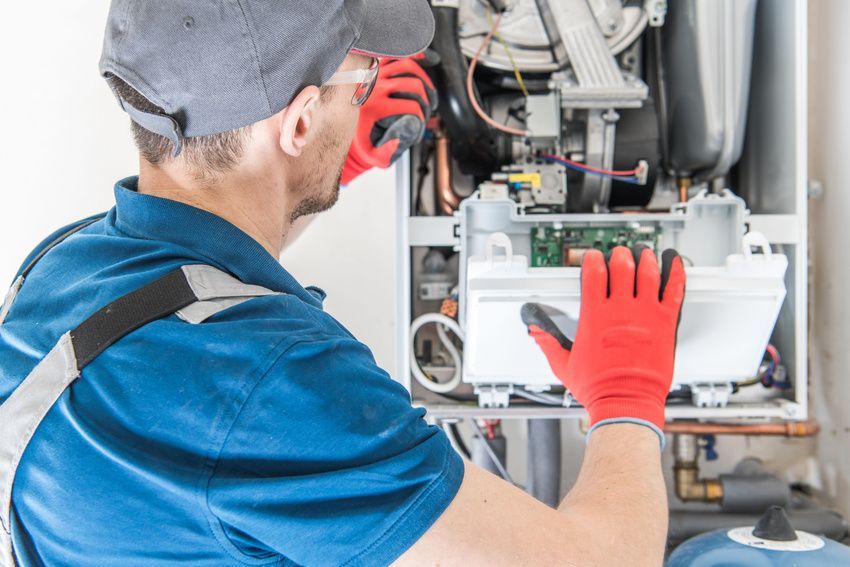
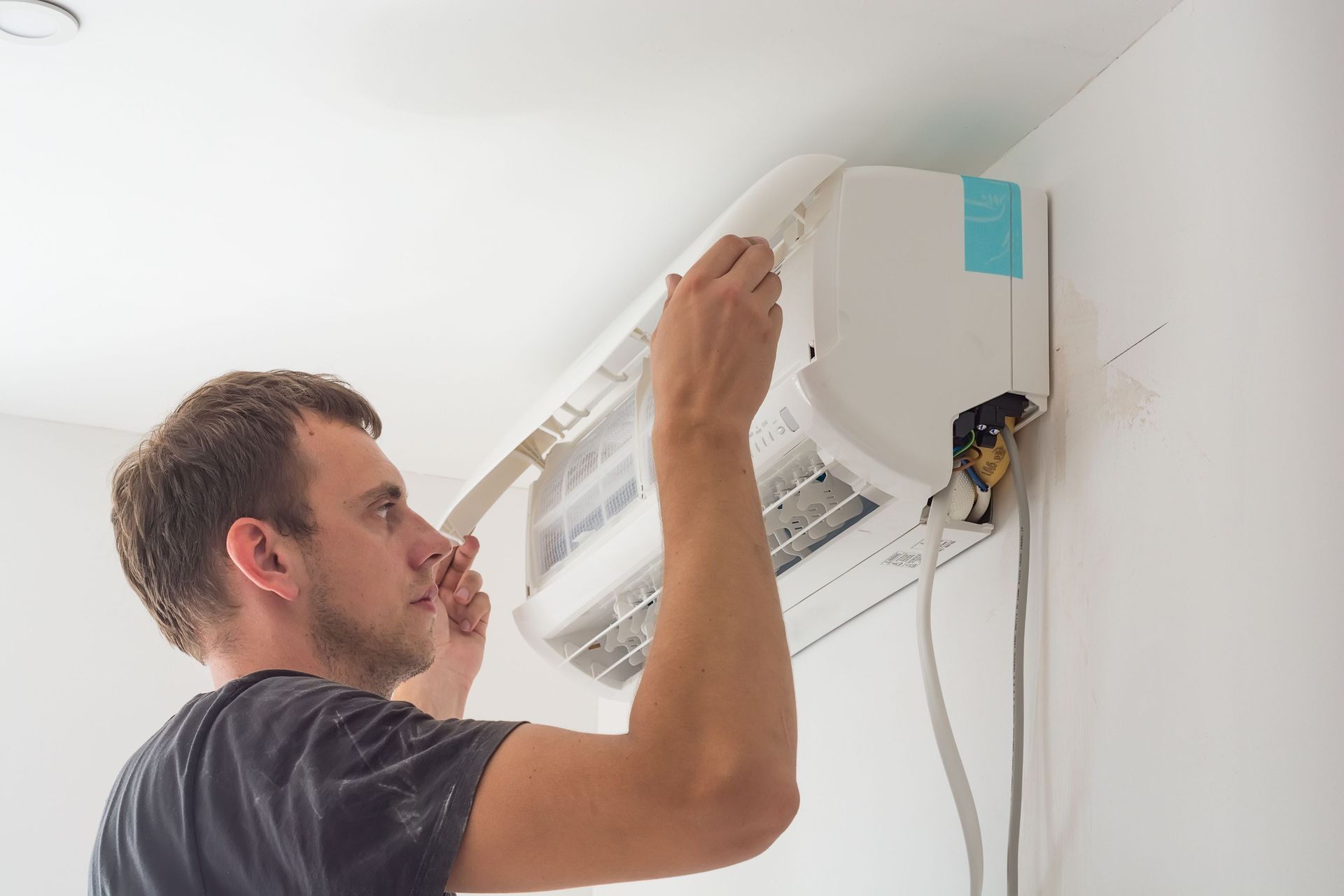
Components like the compressor and coil need routine checks as they can be prone to wear and tear. The health of these vital parts can significantly affect the system's overall performance. Annual maintenance systems play a pivotal role in the longevity of components, reducing the need for premature replacements. Knowing how each element functions and interacts within the system is essential to achieving optimal performance. A clear understanding aids in diagnosing problems early, leading to timely interventions.
Each component, despite fulfilling its own function, is interdependent with other parts of the system. For instance, the thermostat not only controls temperature but also signals when other components should kick in. The ductwork is equally significant, distributing air throughout the home. An integral role exists for each piece, and inefficiencies in one can lead to broader systemic issues. Awareness of each component's function can facilitate informed decisions regarding upgrades or replacements.
The Role of HVAC in Home Comfort
HVAC systems are pivotal in maintaining a consistent and comfortable indoor environment, irrespective of external weather conditions. The primary role of an HVAC system is to control the temperature and humidity levels in the home, ensuring that it remains within a comfortable range. Notably, these systems can be fine-tuned to cater to individual preferences, enhancing the personal comfort of each household member. Achieving such an environment improves not just physical comfort but also mental well-being. Well-maintained systems play a crucial role in mitigating potential health issues associated with poor air quality.
The HVAC system also brings about psychological comfort by providing a sanctuary from the harshness of external weather extremes. Whether it's the sweltering heat of the summer or the biting cold of winter, a reliable HVAC system acts as a buffer zone. Besides temperature regulation, it also filters air, removing dust, allergens, and other pollutants. This function is particularly crucial for individuals with respiratory issues, ensuring the indoor air quality is kept at its best. Without an efficiently functioning HVAC system, maintaining a stable and pleasant indoor climate would be a significant challenge.
Moreover, humidity control is another vital function of HVAC systems that cannot be overlooked. Excessive humidity can lead to mold growth, which poses health risks and can damage the home's infrastructure. Conversely, too little humidity can lead to discomfort and health issues such as dry skin and respiratory problems. Thus, the role of HVAC systems extends beyond mere temperature control to encompass aspects of health, safety, and structural integrity. Realizing this role underscores the need to keep the system in good working order through regular maintenance, prompt repairs, and eventual replacement when the system becomes outdated.
Common Lifespan of HVAC Units
On average, HVAC systems last between 10 and 20 years, depending on the type and maintenance history. Regular and adequate maintenance can extend a unit's life, while neglecting it can shorten its operational duration. Each component within the system has its own lifespan, with furnaces generally lasting longer than air conditioning units. However, these are general benchmarks, and real-life expectancy can vary based on usage intensity and environmental factors. Regions with harsher climates may see shorter lifespans, requiring more frequent replacements.
According to Carrier, more than one-quarter, or 26%, of homeowners do not know the age of their current HVAC system, and a slight majority, or 54%, do not know the average lifespan of an HVAC system. This lack of knowledge can lead to unforeseeable breakdowns and financial stress due to unexpected replacements. Knowing the lifespan of each component helps homeowners plan for maintenance and budget for eventual replacement costs. Awareness of your HVAC system's age can guide decisions about whether to repair or replace it as it nears the end of its expected life. Proactively budgeting for a new system can mitigate the impact of a sudden failure.
Incorporating robust maintenance practices can significantly influence the lifespan of an HVAC unit. Routine checks and timely interventions when problems arise extend the system's functionality and ensure higher performance levels. By replacing aging units, homeowners can avoid the inefficiencies that accompany older systems, leading to long-term economic benefits. A comprehensive understanding of lifespan expectations ensures better preparedness for maintaining and replacing HVAC units. Proper planning avoids discomfort and unnecessary financial investments.
Considering Signs Your HVAC System Might Be Aging
Increased Energy Bills
A noticeable increase in energy bills could be an indicator that your HVAC system is aging. As HVAC systems age, they often use more energy to maintain the same level of comfort. Significantly higher energy bills can imply the system is no longer as efficient as it was when first installed. Checking energy usage against historical data can help determine if the system's consumption is rising. If other factors such as household occupancy remain constant, the HVAC system might be the culprit for increased bills.
Energy inefficiency often results from older components working harder to maintain desired temperatures. This extra effort expends more energy, subsequently raising utility costs. As systems age, parts like compressors and coils are more prone to wear, impacting their functionality and efficiency. Consequently, when homeowners notice consistent spikes in energy bills month after month, it could signify an aging system needing attention. Upgrading to a more efficient system may reduce monthly utility expenses and represent a better long-term investment.
Comparing energy bills against similar homes or utilizing online energy calculators can also assist in identifying potential inefficiencies. Such assessments provide a comparative benchmark to evaluate current expenses and the potential savings that new systems might deliver. Awareness of an aging system's disproportionate energy use encourages proactive decisions regarding repair or replacement. Setting aside budget provisions for an upgrade early minimizes the strain on household finances when replacement becomes necessary. Early action towards efficient systems can bolster household sustainability goals.
Understanding the age and condition of your HVAC system is a linchpin of effective home management. It facilitates well-informed decisions about maintenance, repair, or replacement, significantly impacting comfort, financial planning, and energy efficiency. Proactive knowledge allows homeowners to avoid unexpected breakdowns and ensures that the system meets the household's comfort and efficiency requirements. Financial management is made accessible by budgeting properly for new system investments and leveraging available incentives. Ultimately, ensuring a high-performing HVAC system is synonymous with ensuring a comfortable, efficient, and economically managed home environment. If you're looking for HVAC services, contact C-N-O Comfort Zone Heating and Cooling today.