November 13, 2026
Homeownership requires constant property upkeep. Individuals face maintenance tasks, from mowing lawns to painting walls. Heating and cooling systems demand specific attention to maintain comfortable indoor climates throughout changing seasons. Property owners attempt to save money by performing household chores without outside assistance. Basic system upkeep seems like a reasonable weekend project for ambitious residents. However, mechanical equipment involves complicated mechanisms requiring specialized technical knowledge.
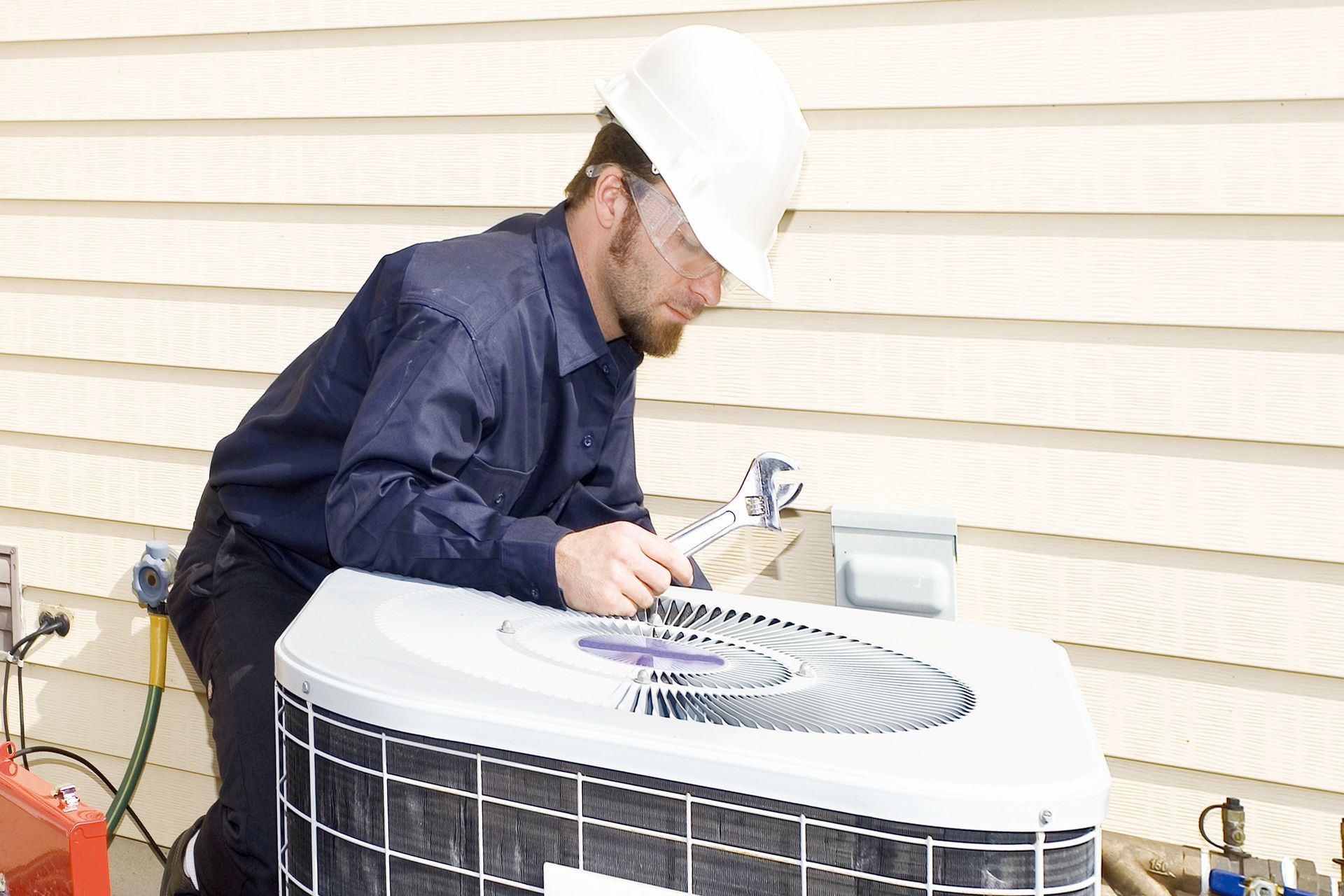
Understanding the strict boundary between basic upkeep and complex repairs prevents severe property damage. Simple tasks like wiping return grilles present minimal risk to residents. Complex mechanical issues demand intervention from an HVAC company. Attempting difficult repairs without formal training creates immediate safety hazards and voids equipment warranties. Evaluating individual capabilities ensures systems remain functional without risking physical injury or catastrophic system failure.
Changing Accessible Filters vs. Handling Dangerous Refrigerants
Maintaining clean air filters represents a safe task for homeowners. Residents remove old filters and slide fresh replacements into accessible return slots. This action improves indoor air quality and helps equipment run with peak efficiency. People need no special tools or mechanical certifications to complete this chore. Selecting correct filter sizes guarantees proper airflow throughout residential ductwork systems, preventing dust buildup inside the living space.
Conversely, refrigerant management remains outside the realm of standard do-it-yourself projects. Heating and cooling units utilize chemical blends under immense pressure to condition indoor air. When systems develop leaks, residents might consider purchasing recharge kits from hardware stores. Such attempts create significant dangers because improper chemical handling causes skin burns or lasting respiratory issues. Residents lack the safety gear necessary to handle pressurized gases without risking harm.
Strict federal regulations mandate specific certifications for individuals handling these specialized refrigerants. An HVAC company employs trained personnel who understand safe extraction and disposal protocols. Professionals utilize recovery machines to capture and contain these substances without violating environmental protection statutes. Attempting to bypass complex legal requirements results in severe financial penalties and harsh legal consequences for noncompliant property owners.
Incorrect chemical levels also destroy internal compressors. Overcharging a system creates massive pressure buildups, while undercharging causes coils to freeze solid. Both scenarios lead to complete mechanical breakdowns requiring expensive unit replacements. Individuals protect their financial investments by allowing certified technicians to manage tasks involving pressurized system chemicals. Proper chemical balancing ensures optimal cooling performance without placing mechanical components under unnecessary stress during heat waves.
Wiping Exterior Vents vs. Repairing Electrical Components
Dust accumulation on room registers restricts proper airflow and diminishes indoor comfort. Property owners improve system efficiency by wiping vent covers with damp cloths. Removing visible lint from exterior grilles requires minimal physical effort and no technical background. This superficial cleaning prevents dust circulation throughout primary living spaces. Residents complete this chore without incident using standard household supplies, ensuring family members breathe clean air without interacting with dangerous mechanical parts.
Electrical repairs present a stark contrast to basic surface cleaning duties. Modern climate control equipment relies on complex webs of copper wires, heavy capacitors, and intricate circuit boards. When systems stop functioning, residents might feel tempted to open metal access panels and inspect internal wiring. Such curiosity places individuals at immense risk of receiving lethal electrical shocks. The massive voltage flowing through these appliances poses a direct threat to untrained individuals.
High-voltage connections power large exterior compressors and interior blower motors. Mishandling these live wires causes devastating house fires or electrocution. A capable HVAC company provides technicians trained to navigate high-voltage control panels. These professionals utilize specialized multimeters to test voltage levels before touching any internal electrical connections. Verifying power statuses prevents dangerous accidents and keeps technicians safe while they diagnose intricate power failures within the mechanical framework.
Incorrect wiring also destroys delicate computer control boards. Touching the wrong wire terminals creates massive short circuits, frying expensive computer components beyond repair. Bypassing mechanical safety switches to force equipment operation leads to melted internal wires and severe property damage. Homeowners avoid catastrophic electrical failures by leaving panel inspections to qualified personnel. Maintaining original electrical integrity prevents future breakdowns and ensures the equipment operates without danger.
Clearing Surrounding Debris vs. Calibrating Internal Thermostats
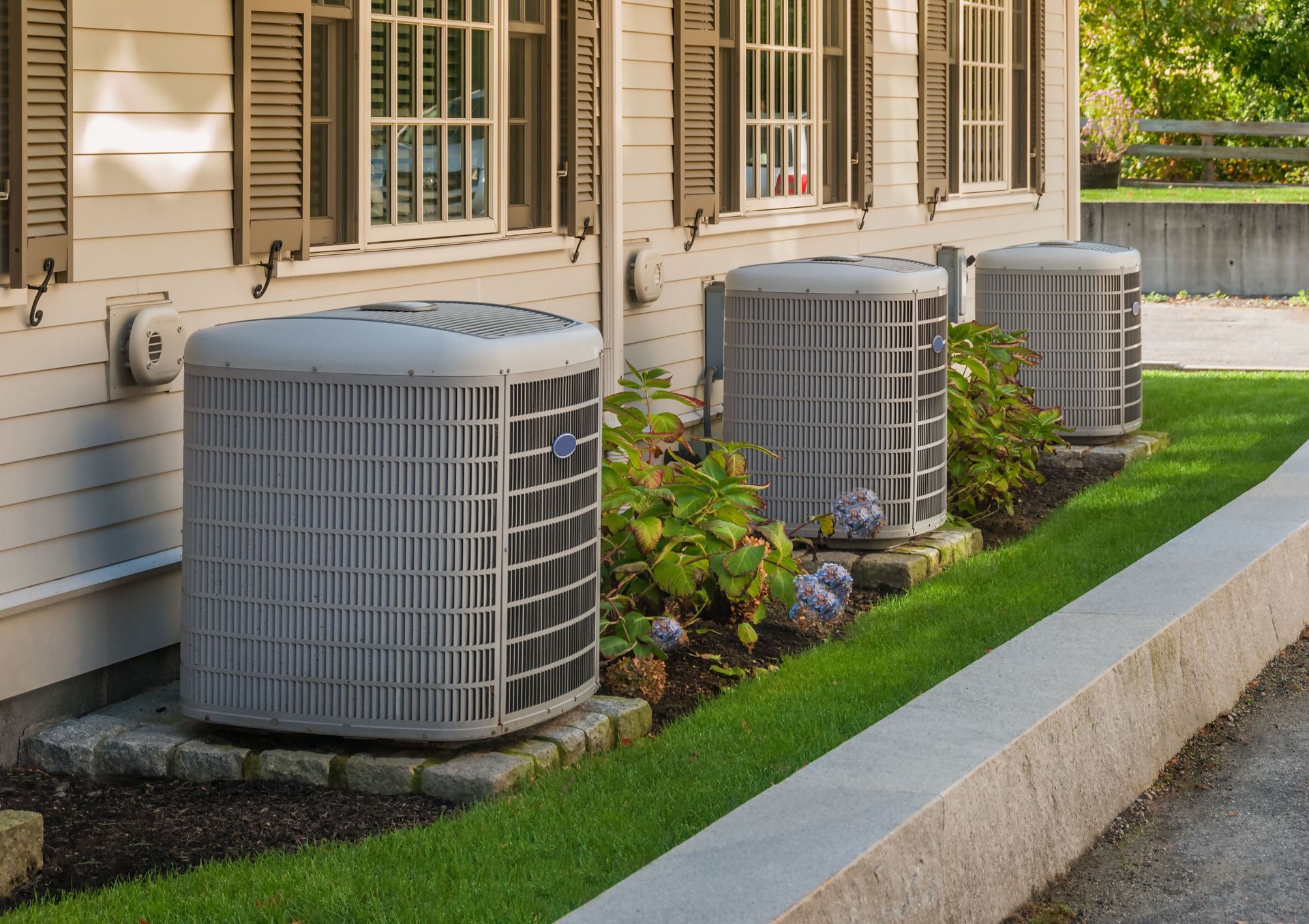
Outdoor condenser units require adequate breathing room to dissipate trapped heat. Property owners maintain proper exterior airflow by removing fallen tree leaves and overgrown vegetation near exterior equipment. Trimming nearby bushes ensures units pull in sufficient fresh air without dangerous physical obstruction. This basic yard work keeps mechanical components functioning without placing individuals in physical danger.
Internal system calibration demands different mechanical skill sets. While residents install basic wall thermostats, intricate system balancing requires technical knowledge. Modern communication thermostats send complex digital signals to variable-speed interior motors. Misconfiguring these advanced digital controllers causes equipment to run with erratic patterns. Incorrect computer settings force systems into continuous operation, resulting in premature mechanical wear. Residents struggle to decipher complicated programming manuals designed for trained climate control personnel.
Incorporating proper maintenance schedules maximizes overall equipment longevity. According to HomeGuide, new air conditioning systems usually have a lifespan of 15 to 20 years. Reaching this milestone requires precise mechanical tuning from an HVAC company. Technicians adjust interior blower speeds and map out intricate airflow patterns to ensure even temperature distribution across all residential zones. Consistent professional calibration keeps units functioning well and prevents sudden breakdowns during extreme weather shifts.
Do-it-yourself tuning attempts disrupt delicate internal static pressure balances. Restricting airflow through improper duct damper adjustments strains blower motors and bursts sealed duct seams. Professionals measure specific pressure drops across internal cooling coils to confirm systems operate within strict manufacturer specifications. Leaving complex calibration duties to qualified technicians preserves equipment lifespans and maintains consistent indoor comfort. Proper balance keeps energy bills low while maximizing total output.
Inspecting Visible Damage vs. Diagnosing Motor Failures
Visual inspections serve as a fundamental aspect of proactive residential property maintenance. Homeowners walk around their yards to identify obvious physical problems like dented exterior panels or disconnected duct segments. Spotting chewed wires or rusted metal components alerts residents to potential looming issues. Identifying visual anomalies requires observation rather than deep mechanical knowledge. Catching minor physical damage before escalation prevents small issues from developing into massive system failures.
Diagnosing specific mechanical motor failures moves beyond simple visual observation. When internal blower fans stop spinning, the root cause could stem from bad capacitors, failed power relays, or seized metal bearings. Property owners lack the diagnostic equipment necessary to pinpoint exact failure points. Guessing which mechanical part failed leads to unnecessary replacement purchases. Wasting money on incorrect components frustrates residents and leaves homes without proper climate control.
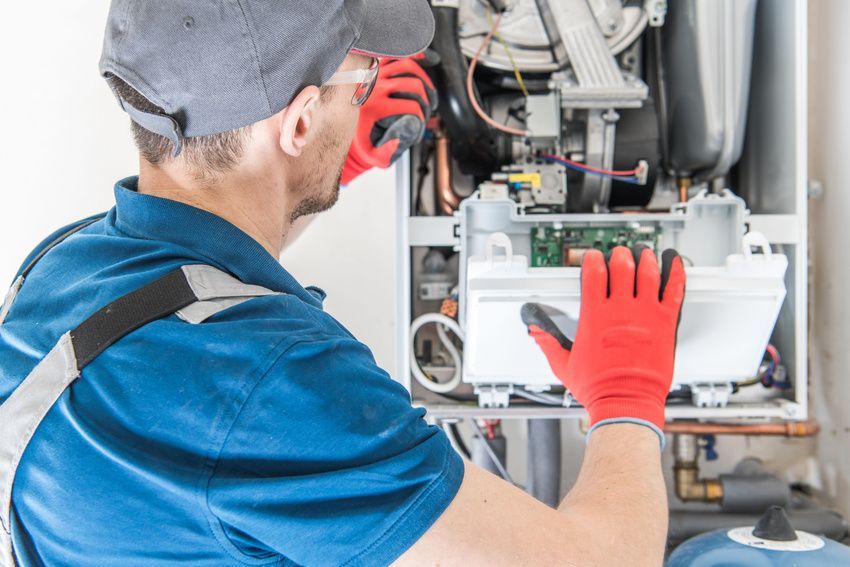
An HVAC company deploys technicians skilled in systematic troubleshooting procedures. These professionals isolate individual mechanical components to determine exact points of system failure. They distinguish between faulty electrical contactors and broken metal compressors. Accurate mechanical diagnosis prevents the wasteful replacement of functioning internal parts and resolves complex mechanical issues during the same visit. Relying on methodical testing procedures saves property owners significant money on unneeded replacement parts.
Replacing internal blower motors involves disassembling major structural housings. Removing stuck fan blades from rusted metal shafts requires specialized heavy puller tools. Improper installation of replacement motors causes severe structural vibration, tearing delicate equipment apart from the inside. Relying on professional technicians guarantees correct replacement part identification and secure physical installation of heavy mechanical components. Proper mounting ensures smooth operation and prevents metal fatigue within the primary system housing.
Maintaining comfortable indoor temperatures involves a careful combination of simple household chores and complex mechanical interventions. Residents contribute to overall system health by replacing accessible air filters and clearing exterior yard debris. These basic maintenance actions support efficient daily operation without risking personal safety. However, crossing the distinct line into advanced mechanical repairs jeopardizes total property integrity. Hiring an HVAC company remains essential for handling toxic refrigerants, dangerous electrical wiring, and internal mechanical failures. When you need an HVAC company to safely manage the complicated repairs you shouldn't tackle alone, we invite you to contact C-N-O Comfort Zone Heating and Cooling. Let us maintain your equipment so you can enjoy a comfortable home without the risks of a DIY project.