November 16, 2026
A home heating and cooling system typically operates in the background, maintaining indoor comfort across varying seasons without drawing much attention to itself. When functioning properly, equipment produces little more than a gentle hum of airflow through vents. However, mechanical setups are intricate assemblies of motors, electrical contacts, fans, and duct networks. Over time, internal components can loosen, wear out, or experience airflow blockages that trigger unexpected and jarring sounds. Hearing an unfamiliar rattle, persistent buzz, or high-pitched squeal can understandably cause concern. Identifying the nature of these acoustic clues helps homeowners assess potential mechanical trouble before minor wear turns into significant operational disruption.
Recognizing Common Warning Sounds in Heating and Cooling Systems
Mechanical equipment relies on many moving parts that must coordinate smoothly. When unusual sounds disrupt the quiet of your home, specific auditory profiles point to particular component issues.
Identifying Squealing and Screeching Sounds
High-pitched screeching or sharp squealing usually stems from friction inside motor assemblies or moving belts. In older air handlers and furnaces with belt-driven blowers, rubber belts lose tension, stretch, or become brittle with age, slipping along pulleys to create an unmistakable squeal. In newer systems equipped with direct-drive motors, screeching commonly signals dry or failing motor bearings. When lubrication within the blower motor or condenser fan degrades, internal metal friction escalates quickly, generating sharp shrieks. If this friction continues unchecked, the motor can overheat and seize entirely. Qualified HVAC contractors regularly check belt condition and bearing lubrication during routine inspections to prevent sudden equipment shutdown.
Diagnosing Clanking and Banging Noises
A heavy clanking or metallic banging sound typically indicates that a physical part has detached, broken, or come loose inside the unit. If heard from the indoor blower cabinet, a blower wheel may have slipped out of alignment, causing rotating blades to strike the metal housing. In outdoor condenser units, loose components like connecting rods, piston pins, or internal crankshaft parts inside a hermetic compressor can generate rhythmic clanging with every cycle. Because rotating assemblies spin at high velocity, loose parts can cause extensive structural harm to surrounding components within seconds. Shutting down the system immediately upon hearing forceful clanking prevents widespread internal damage.
Evaluating Rattling and Buzzing Disturbances
Rattling sounds often present a milder mechanical problem, though they should not be disregarded. A common source is a loose cabinet panel, unfastened screw, or debris like twigs and dry leaves trapped in the outdoor fan cage. In other instances, persistent rattling stems from aging ductwork that expands and contracts, vibrating against wooden floor joists as forced air circulates.
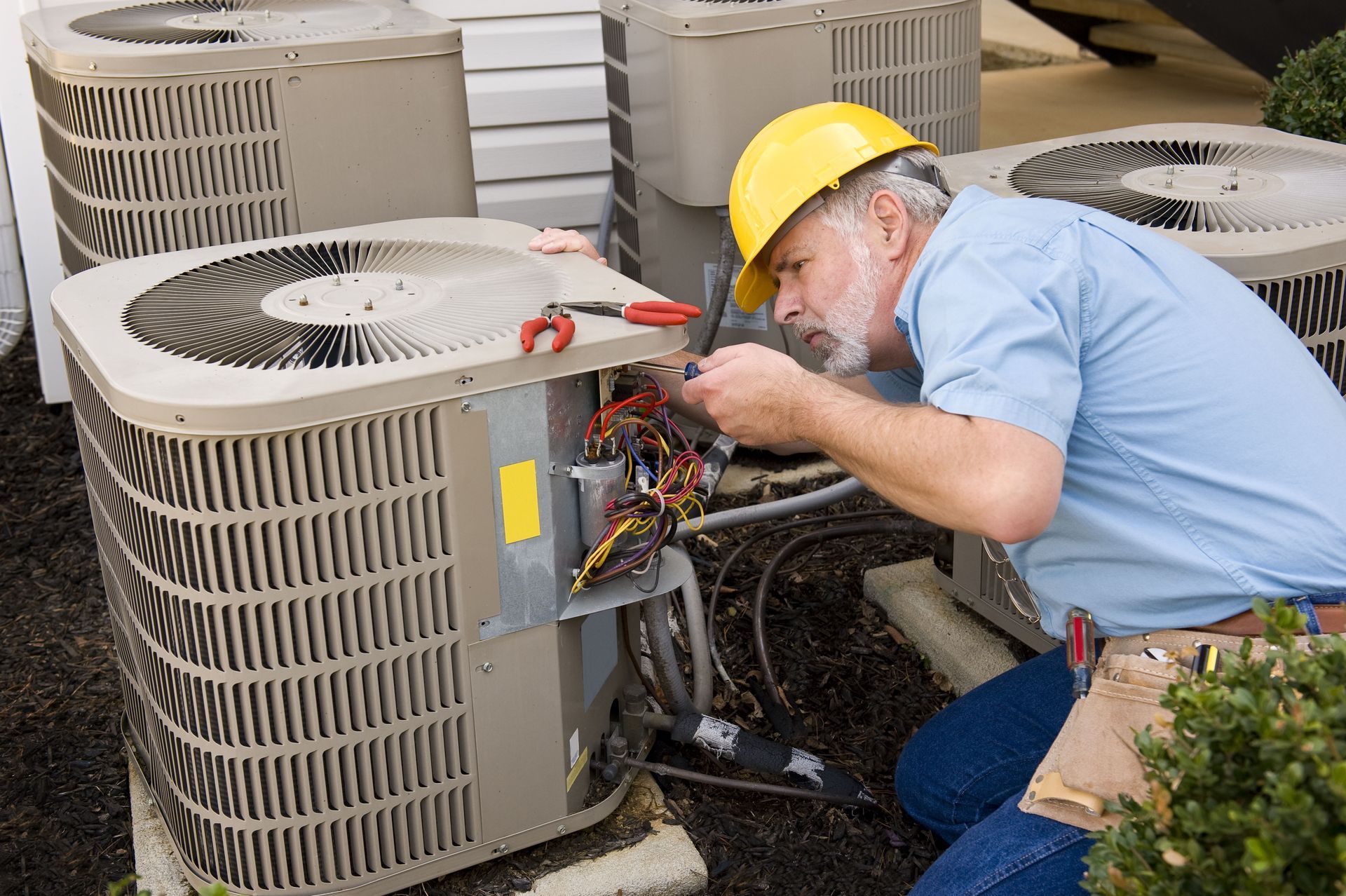
Buzzing sounds, by contrast, frequently point to electrical anomalies or failing switches. Contactor relays, circuit boards, failing capacitors, and transformers can emit loud electrical hums or buzzes when electrical contacts burn, pit, or fail to seat firmly. A failing fan motor running with restricted voltage or struggling against debris may also hum loudly without spinning freely. Because working with high-voltage electrical circuits presents safety hazards, experienced HVAC contractors handle electrical diagnostics to isolate loose wiring, faulty relays, and failing capacitors securely.
Detecting Whistling and Hissing Airflow
High-pitched hissing or whistling generally reflects pressure discrepancies or air channel leaks. When conditioned air forces its way through tiny gaps, poorly sealed duct joints, or improperly fitted air filters, it can whistle much like a wind instrument. Extremely dirty filters can starve the system of return air, creating negative pressure that forces air through any miniature seam.
A sharp hissing sound near the outdoor unit or indoor evaporator coil may suggest escaping refrigerant through a microscopic puncture in copper lines. Refrigerant circulates under significant pressure, and as pressurized gas escapes, it produces an audible hiss. A loss of refrigerant impairs cooling capacity and can freeze evaporator coils. Certified HVAC contractors use specialized electronic leak detectors to trace hissing sounds, patch line fractures, and restore proper operational pressure.
Understanding the Dangers of Overlooking Equipment Sounds
Unusual acoustic signals rarely resolve on their own. Ignoring them allows minor component fatigue to cascade into extensive system-wide issues.
Preventing Premature Equipment Deterioration
Every mechanical component in an air conditioner, heat pump, or furnace functions as part of a balanced ecosystem. According to research published by Forbes, approximately 9 out of 10 households across the United States rely on air conditioning systems to maintain indoor climate control. With residential cooling systems bearing such extensive operational demands, excessive friction in an unaddressed blower bearing causes the motor to draw excess amperage. That surplus heat travels into adjacent electrical controls and windings. Similarly, a misaligned fan blade that vibrates incessantly places unnatural stress on motor shafts, mounts, and refrigerant piping. Routine diagnostic visits from licensed HVAC contractors identify these mechanical strains early, preserving the intended operating lifespan of the entire installation.
Mitigating Household Health and Safety Risks
Certain strange noises carry implications beyond simple comfort inconvenience. For gas furnaces, a loud popping or booming noise heard immediately upon startup points to delayed ignition. When burners do not ignite promptly, gas builds up in the combustion chamber before catching fire all at once, resulting in a small controlled explosion. Repeated delayed ignition shocks the metal walls of the heat exchanger, which can crack over time. A fractured heat exchanger creates a serious safety hazard by permitting combustion byproducts, including odorless carbon monoxide, to leak directly into household air streams. Rapid electrical buzzing from breaker boxes or equipment disconnect switches can likewise indicate arcing, which carries electrical fire hazards if unaddressed.
Scheduling Preventative Care and Professional Diagnostics
Maintaining a reliable heating and cooling system requires ongoing monitoring and consistent seasonal attention.
Establishing Consistent Seasonal Tune-Ups
Preventative service visits serve as the primary defense against unexpected noises and component failures. Professional technicians examine duct seals, clean blower assemblies, balance fan blades, lubricate motor bearings, inspect electrical contactors, and check refrigerant charge. Thorough checkups ensure each element operates smoothly within proper manufacturer specifications. Seasonal evaluations before peak summer heat and winter cold identify worn components long before they create screeching or banging sounds that disrupt daily household life.
Choosing Qualified Professionals for Complex Repairs
Modern heating and cooling machinery relies on sophisticated microprocessor controls, variable-speed blowers, multi-stage compressors, and precision refrigerant circuits. Resolving mysterious noises requires formal diagnostic instruments, electrical meters, and deep familiarity with system mechanics. Licensed HVAC contractors possess the training and diagnostic gear needed to trace erratic noises to their exact origin, whether that means adjusting airflow balancing, replacing worn motor mounts, or rewiring faulty relay controls. Relying on accredited contractors provides peace of mind that all components are calibrated correctly, safely, and cleanly.
Maintaining Quiet Comfort in Your Living Space
Unfamiliar noises from heating and cooling equipment provide valuable early warnings that internal components require prompt attention. Whether an air handler emits a faint whistle, an outdoor condenser produces a low electrical buzz, or a furnace rattles during startup, these sounds offer clues regarding mechanical alignment, airflow restrictions, and electrical health. Promptly addressing sound changes by hiring
HVAC contractors protects household safety, maintains clean indoor air quality, preserves system efficiency, and avoids unnecessary structural strain on major components. When your home comfort equipment begins making strange sounds that disturb the peace, scheduling an evaluation with C-N-O Comfort Zone Heating and Cooling will restore quiet, dependable performance to every room.